Saturday Night Live (SNL) is set to return on 4 October for its 50th season, facing a challenging political and media landscape. The show, known for its satirical take on current events, will air at a time when late-night comedy is under scrutiny over free speech issues. Recent incidents include the cancellation of Stephen Colbert's show on CBS and a suspension of Jimmy Kimmel's ABC programme after comments about rightwing activist Charlie Kirk.
The Federal Communications Commission (FCC) chair, Brendan Carr, warned that local broadcasters airing Kimmel could face fines or licence loss, prompting backlash from free speech advocates. Kimmel returned after six days, mocking President Trump's attempts to cancel him. SNL's return will be closely watched, particularly its cold open, which is expected to address the current political climate.
Stephen Farnsworth, co-author of 'Late Night With Trump: Political Humor and the American Presidency', said: 'This would be one of the biggest, most important cold openings in the 50-year history of the show.' He added that SNL has historically risen to major challenges, such as after 9/11, and advised the show not to pull punches: 'There's no reason not to be all in.'
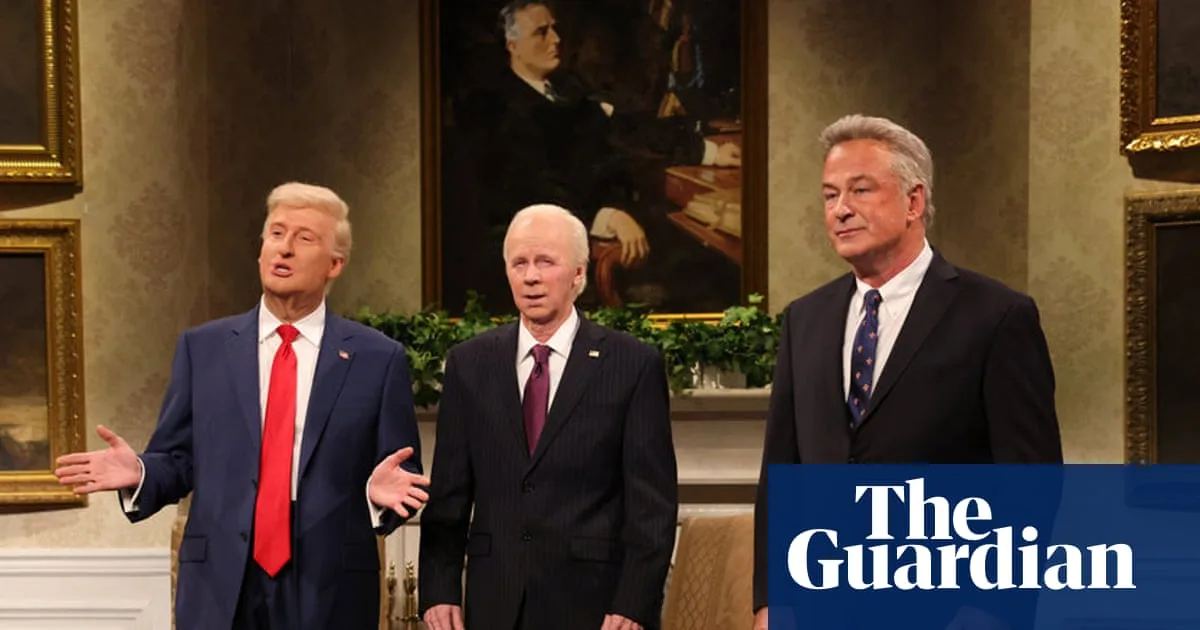
SNL has a history of parodying presidents, from Gerald Ford to Donald Trump, and has featured politicians as hosts. Trump himself hosted in 2004 and 2015. The show's political sketches have often drawn ire from conservatives, but creator Lorne Michaels has emphasised its role in difficult times.