
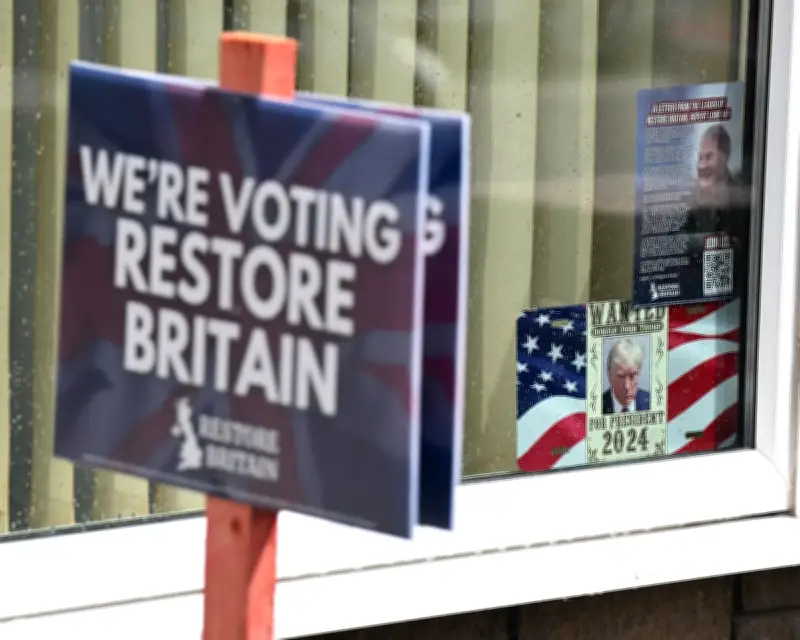
In the UK, the rise of Restore Britain, a far-right party founded by multimillionaire and former Reform MP Rupert Lowe, marks a significant shift in the political landscape. The party, which enjoys support from tech billionaire Elon Musk, aims to reverse mass migration by deporting undocumented migrants and legally resident foreign nationals in social housing or on benefits. Leader Rupert Lowe has called for millions to leave, threatening imprisonment for officials who place 'dangerous third world savages' in communities.
Normalisation of Extremism
Restore Britain's prominence reflects a broader trend across the West, where far-right parties have become normalised. In Austria, the Freedom Party entered government in 2000; now, similar parties hold power or influence in the Netherlands, Spain, and the US. The old consensus that far-right views are illegitimate has collapsed, with mainstream parties adopting anti-migrant agendas to compete. US President Donald Trump's rhetoric, including calling Somalis 'garbage,' would have once ended a career but now barely registers.
Impact on UK Politics
In Britain, Nigel Farage and Reform UK have moved further right, with Farage speaking of 'anti-white prejudice.' The Conservatives, in turn, shift right to chase Reform voters, creating a radicalisation conveyor belt. Restore Britain claims 130,000 members, potentially surpassing the Conservatives. While it may split the right-wing vote, Labour should not welcome it, as it signifies a dangerous trend with no guardrails on the right.
The left faces constant scrutiny, with opponents of Israel's policies smeared as extremists. This imbalance hinders resistance to the far-right surge. The outcome may be a system that rejects extremism only after suffering its consequences, or a politics that redirects anger away from scapegoats toward wealth and power. For now, nothing is too rightwing anymore.




