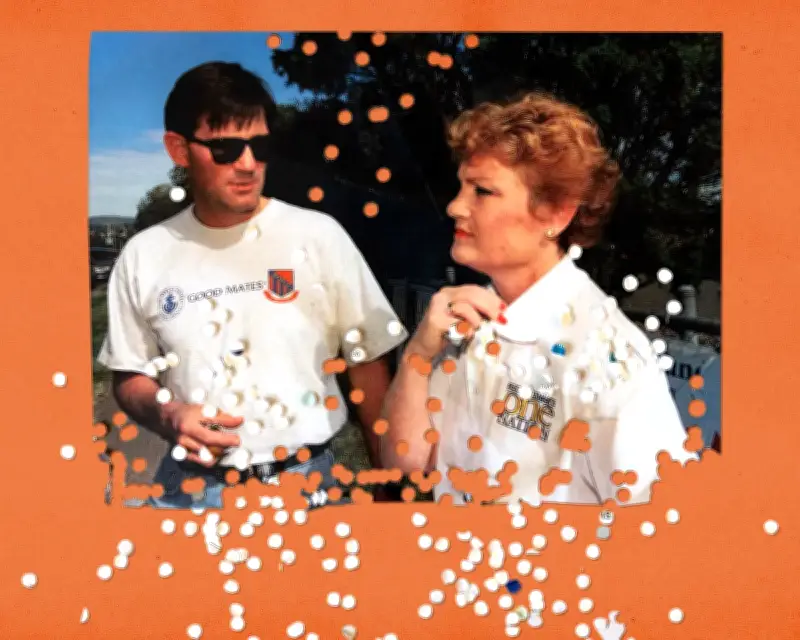
The final episode of The Populist, presented by Sarah Martin, examines how One Nation is bypassing traditional media to capitalise on voters' economic pain and attempts to unpick the thorny issue at the heart of the party's rise: immigration.
Dalby residents sceptical of $31bn datacentre
In Queensland, residents of the rural town of Dalby have watched the boom and bust of big projects for decades. They share their scepticism after revelations that a $31bn datacentre to power AI tech is now planned for their area. Denver Kanowski believes the datacentre, to be built to power Anthropic's Claude, will go beyond harming the environment by disconnecting people from the things that really matter.
The state premier, David Crisafulli, sees it as an “opportunity” – but others fear AI's global creep.
Cop31 criticism and other key stories
Australia is co-hosting a major UN climate conference next month but is facing stiff criticism over its position on fossil fuels. The hosts of the next major UN climate conference, Turkey and Australia, are facing criticism for being partners in a coal supply chain while doing little to back nations wanting to get off fossil fuels.
Other significant stories include the mother of a robodebt victim who ended his life saying she is experiencing “injustice of another kind” after being told she would be excluded from a $475m class action settlement. A driver whose car careered into a crowd of Newcastle Knights supporters will be kept in custody as the community rallies to support those hospitalised. Security agencies are investigating after it emerged that the flydubai co-pilot who allegedly tried to hijack an Israel-bound flight spent about two years in Australia as a student.
One Nation's political evolution
David Oldfield was the brains behind One Nation's stunning success at the 1998 Queensland election. In its first campaign, the rightwing nativist party he co-founded with Pauline Hanson and the late David Ettridge won 11 seats. But within months the whole experiment began to fall apart as disillusioned MPs fell out with the party leadership. Those who lived through One Nation's most successful election now see history repeating itself – but this time “it's One Nation on steroids”.
One Nation was the first Australian political party with a website, and its online game today is recognised as some of the most effective in the business. The party specialises in shareable anti-immigration messaging and in bypassing the traditional media to reach voters directly. “She tells it like it is”, Pauline Hanson's supporters say, but her tactics come straight from the populist right playbook: harvesting fear and grievance for political power.