

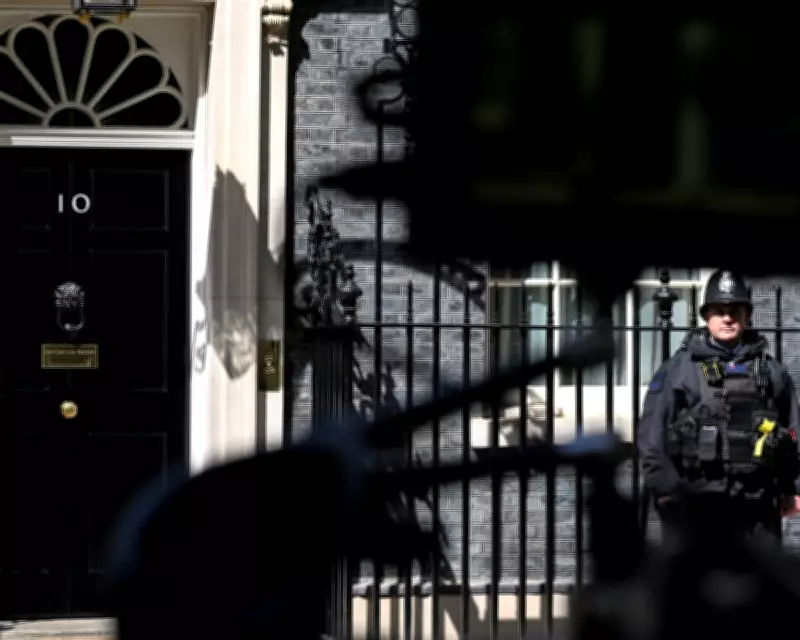
TV crews gathered in Downing Street on 14 May as reports emerged of challenges to Keir Starmer’s leadership. The image serves as a metaphor for a government in crisis.
The fleeting nature of Labour governments
History demonstrates that Labour governments are often short-lived. The party must secure a clear, progressive legacy while in office, as voters eventually turn on leaders and governments fall. For Labour, this cycle is typically briefer due to media opposition, powerful economic interests, and voter scepticism. Despite winning three major electoral majorities in the last 30 years, Labour governments are still viewed as unnatural by many.
The Starmer government’s rapid decline from a commanding victory to public contempt and leadership turmoil highlights the momentary nature of Labour’s opportunities. The acceleration of politics, driven by digital media and impatient voters, has further reduced the party’s chances of prolonged power. Few democratic governments are re-elected nowadays.

Why not assume electoral defeat and act boldly?
Labour should privately assume it may lose the next general election and focus on enacting as much change as possible without worrying about electoral consequences. This question may be more important than who leads the party. Yet such an approach is considered heretical, as memories of Tony Blair’s decade-long administration still grip senior figures and journalists.
Since Blair’s era, the frantic pace of British politics has made elections even more central. However, Starmer’s fixation on electability, defined conservatively, has backfired by making the government too cautious for an electorate that sees problems as urgent.
With probably three years until the next election and a large Commons majority, Labour has much to gain from governing assertively. It can learn from past Labour premiers like Clement Attlee, Ramsay MacDonald, and Harold Wilson, who enacted permanent change despite short tenures and adversity.
Examples of bold reforms from brief governments
Attlee’s postwar government transformed public health, welfare, and housing despite huge debt and opposition. MacDonald’s 1929–1931 government cleared thousands of slums via the Housing Act 1930, while Wilson’s 1974–1976 government passed pioneering gender discrimination legislation. These reforms were never repealed.
What bold reforms could this government enact? The king’s speech offered modest measures like curtailing leasehold systems and abolishing NHS England, but also illiberal innovations like limiting trial by jury. To energise the programme, Labour could pick bigger fights, such as nationalising water companies. Their owners would object, but it’s unlikely a future Tory or Reform government would privatise them again.
Structural reforms like proportional representation could solidify new political practices. With many parties now in contention, a fairer electoral system would likely never be reversed. Reforms that raise revenue for public services, such as taxing elite wealth, could also outlast the government. As Thomas Piketty showed, elite wealth has grown faster than wages for decades. Taxing it more would be controversial but could regain support.
These suggestions are broad, but more detailed proposals are emerging from groups like the Labour Growth Group and the Tribune group. There is a strengthening consensus that the government needs to “go big”, as Ed Miliband’s 2021 book argued.
Energy secretary Ed Miliband has been pushing his department’s policies as far and fast as possible, making enemies but also proving effective. Labour often sees caution as necessary, but it may be a luxury the party can no longer afford.






