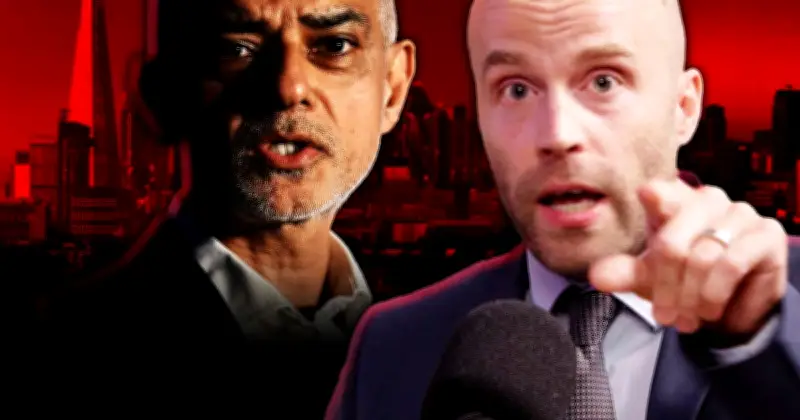
Express Investigations Editor Zak Garner-Purkis has revealed that Mayor of London Sadiq Khan initially dismissed reports of London grooming gangs as “false, malicious and politically motivated” before executing a major policy reversal. The shift has culminated in the National Grooming Gangs Inquiry naming London as a primary focus area, with the Metropolitan Police referring 4,000 “no further action” cases to a National Crime Agency task force.
Initial Denial and Accusations
In a candid interview on the Daily Expresso podcast, host JJ Anisiobi asked Garner-Purkis about Khan's team, alleging they spread “pretty terrible, nasty, besmirching lies.” Garner-Purkis detailed the stonewalling: “When we went to Sadiq Khan in September last year and asked him about London grooming gangs, he described the whole topic as false, malicious and politically motivated.” He emphasised that Khan was not merely accusing them of lying but characterising the reporting as a “malicious lie” intended to stir unrest.
Pressure and U-Turn
Pressure mounted through Express reporting, whistleblower accounts, and public records. A Sunday Telegraph investigation revealed the scale of Met referrals, prompting further scrutiny. Garner-Purkis noted the sudden pivot: from claims of “no reported cases” to Khan directing police to “leave no stone unturned.” Critics argue the initial response amounted to gaslighting survivors. Garner-Purkis said: “He needs to apologise to the survivors. He was telling them that they didn’t exist... You don't treat people who have been through that with that kind of contempt.”

Questions Over 4,000 Cases
Questions remain over the 4,000 referred cases. Insiders suggested a broader definition was used, raising concerns of “flooding the zone” to dilute focus. Garner-Purkis questioned why cases not fitting the grooming gang profile were referred, and why an earlier inquiry presentation in Tower Hamlets used a narrower organised crime definition that produced zero results. The National Inquiry’s inclusion of London marks a significant policy shift.
Broader Context and Scrutiny
The controversy echoes scandals in Rotherham and Rochdale, where authorities were accused of ignoring organised abuse involving groups of men, often of Pakistani heritage, targeting vulnerable girls. Khan and senior Met officers had long resisted the “grooming gangs” label, insisting London’s exploitation cases differed in nature and lacked the structured ethnic dimension seen elsewhere. At Mayor’s Question Time, Conservative Assembly member Susan Hall faced repeated pushback when raising the issue.
Garner-Purkis, who gave evidence to the London Assembly, highlighted weak scrutiny mechanisms in City Hall. He described one assembly member’s apparent disinterest during proceedings as “appalling” given the subject matter. The story also touches on former Prime Minister Keir Starmer’s time at the Crown Prosecution Service, where Garner-Purkis claimed Starmer’s office aggressively challenged Express reporting on “paedophile ASBOs” and grooming gang handling—though the newspaper stood by its journalism.
Garner-Purkis warned of broader efforts to sideline independent outlets in favour of mainstream broadcasters and urged public support for rigorous investigations, stating: “If you’ve done something wrong... we’re going to expose you.”
London’s grooming gangs debate has become a major test of institutional accountability. From initial denials to the launch of a formal review, the episode has fuelled accusations of political expediency over victim protection. Survivors and campaigners, including figures like Maggie Oliver, have seen similar patterns of denial followed by reluctant acknowledgement elsewhere. Express.co.uk has contacted the Statutory Independent Inquiry into Grooming Gangs for an update into the progress of the investigation.