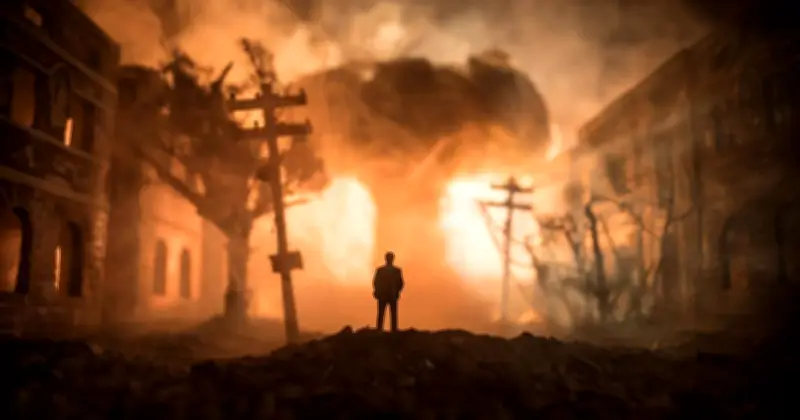
The world in 2026 stands on a knife-edge, with terrifying global flashpoints threatening to plunge the West into a devastating third world war. From the bloody frontline of Eastern Europe to volatile skirmishes across the Middle East and East Asia, Britain and its NATO allies face an unprecedented array of hostile powers actively seeking to dismantle the international order.
Global flashpoints and nuclear threats
Vladimir Putin's relentless aggression in Ukraine continues to test the resolve of the Western alliance, while his frequent flexing of Russia's nuclear arsenal serves as a chilling reminder of how quickly a localised conflict could spiral out of control. Meanwhile, in the Middle East, Iran's network of regional proxies and rampant uranium enrichment threaten to trigger a catastrophic multi-front war. Farther east, Kim Jong-un's regime in Pyongyang routinely test-fires ballistic missiles designed to strike Allied territory, all while Beijing casts an ever-growing, menacing shadow over Taiwan.
Warnings from military leaders
Defence experts and senior military figures have repeatedly warned that the UK is living in a "pre-war world," cautioning that our depleted armed forces may not be equipped to handle an all-out clash against a coalition of autocratic adversaries. With geopolitical tensions mounting daily and dark clouds gathering on multiple fronts, the threat of an escalating global conflict feels closer than it has in generations.
In 2024, the former Defence Secretary, Grant Shapps stated that the era of the "peace dividend" is over and the West is moving from a post-war to a pre-war mindset. Meanwhile, General Sir Patrick Sanders, the former head of the British Army, warned that the public must be ready for potential mass civilian mobilisation or a "citizen army" to deter major conflict. Admiral Rob Bauer, NATO's Military Committee chair, similarly urged Western nations to prepare for unexpected escalations and lengthy conflicts.
Government response and defence spending
However, despite the warnings, officials and Downing Street have stressed that traditional conscription is not returning to the UK, keeping military service voluntary. Defence reviews and reports have previously highlighted that the UK lacks comprehensive national civil preparedness, modernised home defense plans and adequate ammunition stockpiles compared to Cold War levels.
Lawmakers and former defense leaders continue to press for increased defense spending, supply chain resilience and industrial repurposing to make deterrence credible. Most recently, Prime Minister Andy Burnham refused to commit to reaching 3% of GDP by 2030, despite former Defence Secretary turned Chancellor John Healey insisting Britain must hit that target. Instead, Burnham pointed to NATO's longer-term 3.5% target for 2035, arguing that tackling domestic "failures" like underfunded social care and youth unemployment will ultimately free up the necessary funds for defence.
Are you worried about the threat of World War 3? Have your say in our poll and leave your thoughts in the comment section below.