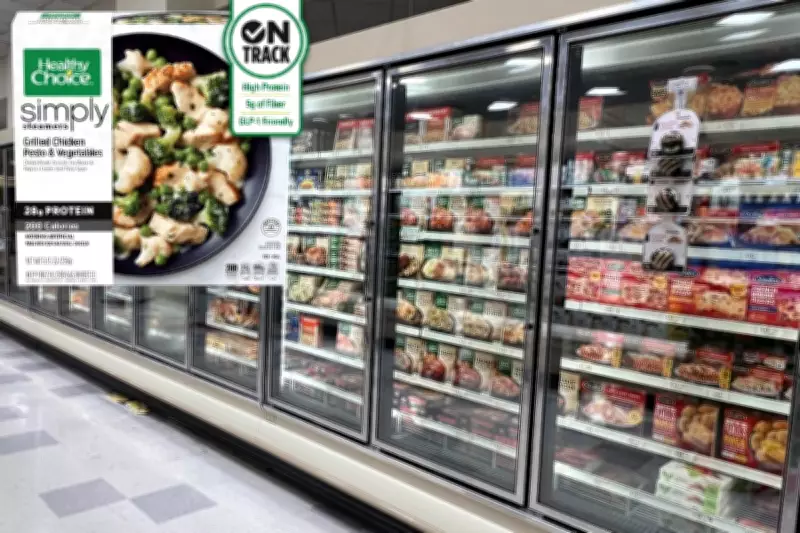
Food manufacturers are capitalising on the popularity of weight-loss medications like Ozempic and Mounjaro by marketing a growing number of ready meals and snacks as 'GLP-1 friendly'. These labels often highlight higher protein and fibre content or smaller portion sizes, but experts urge consumers to be sceptical of any health claims.
What Does 'GLP-1 Friendly' Mean?
According to Dr. Zaid Fadul, a physician and former U.S. Air Force flight surgeon, 'A GLP-1 friendly label is good in theory, but it’s bulls***. There’s no real science behind it.' Nearly one in five American adults has used a GLP-1 drug, and households typically spend 5 percent less on groceries within six months of starting the medication, prompting food companies to try to recover lost sales.
Dr. Ethan Balk, a clinical associate professor at NYU specialising in medical nutrition for bariatric surgery and metabolic weight loss, noted that 'The companies are definitely hip to what we would recommend somebody to focus on eating on a GLP-1 diet, basically prioritising protein, produce, fruits and vegetables.'

Examples of GLP-1 Friendly Products
Conagra Brands, which owns Healthy Choice, has added the label to several frozen meals, including a Grilled Chicken Pesto & Vegetables dish with 28 grams of protein and only 200 calories. Nestlé launched its 'GLP-1 friendly' Vital Pursuit brand with items like a white cheddar mac and broccoli bowl (21g protein) and a meat lover's pizza (32g protein). Mission tortillas also carry the label alongside claims of high fibre and zero net carbs.
Lack of Regulation
The 'GLP-1 friendly' label is not regulated like 'heart healthy' or 'organic', which have strict guidelines. However, Nestlé and Conagra received approval from the U.S. Department of Agriculture’s Food Safety and Inspection Service, provided the products are not misleading and include statements about protein and fibre content.
Balk described the trend as companies 'cherry picking some pieces of the product to highlight that they are in the realm of what we recommend for somebody on a GLP-1.' With suppressed appetite, GLP-1 users consume fewer calories, so the few meals they eat need to be nutrient-dense.
Nutritional Priorities for GLP-1 Users
- Protein: Essential to prevent muscle loss during weight loss.
- Water: Important as the drug reduces thirst sensation.
- Fibre: Helps counteract constipation caused by slowed digestion.
Benefits and Drawbacks
While some medical providers believe the labels could encourage people to pay more attention to their food choices, pre-packaged meals are never as nutritious as whole foods. 'All of us could benefit from a lot more fibre intake, and so now you have patients who are being a little more mindful of their food choices, that’s a net win for society,' Fadul said.
However, Balk compared the trend to low-calorie snack packs from the early 2000s, calling it 'a total marketing, money-grab by companies.' He added, 'Companies are freaking out because people are eating less on these drugs. This is just the newest iteration of marketing that is out there to try and maintain profit.' A GLP-1 friendly pepperoni pizza may have more protein, but likely 'zero nutrient value,' he noted.
Consumers should remain alert, as Fadul warned: 'It’s a matter of time before it gets abused. If you don’t have regulation coming in, they’ll stick a GLP-1 friendly label on celery.'