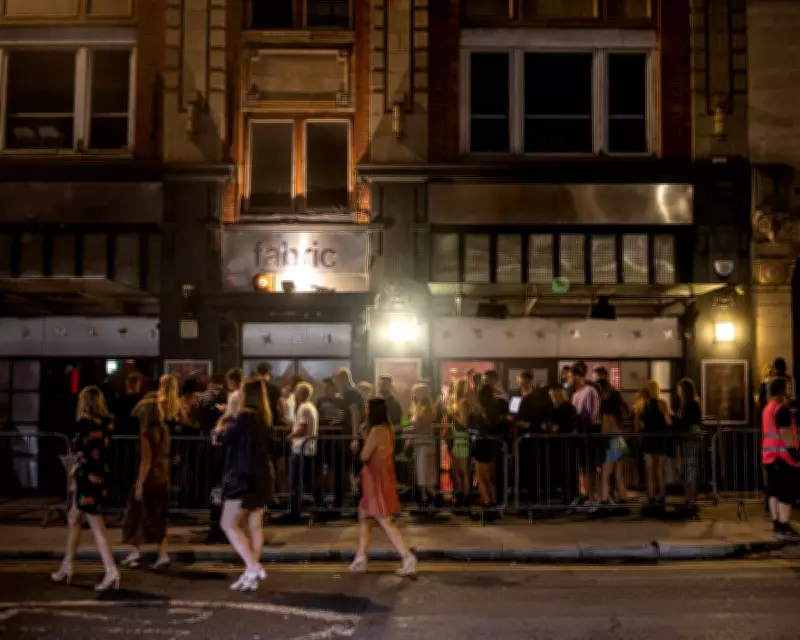
In a recent response to an article on the disturbing rise of voyeuristic nightlife content, Hannah Clark from St Albans, Hertfordshire, has highlighted a pressing societal issue. She expressed gratitude for Emily Retter's focus on the feelings and experiences of women affected by such covert filming, noting that being "watched" in public is perhaps a uniquely female experience.
The Escalation of Public Surveillance
Clark pointed out that many women can sadly relate to being leered at from car windows or catcalled from scaffolding, with video content representing the latest and most depressing escalation of this behaviour. What is new, however, is the scale of the audience for content documenting such invasive acts. She emphasised being struck by the lack of repercussions for the viewers and commenters of these videos, who are presumably exclusively male.
Beyond Criminalisation
While criminalising the creation and distribution of such content is admirable, Clark argued that it fails to address the wider cultural issue of the audience appetite for these dehumanising videos. She noted that there would be nothing to demonetise if these videos did not generate thousands of views and hundreds of disgusting comments.

The core of the issue, according to Clark, is less the opportunistic video-maker, who is vile, nor the ambivalent big tech companies that platform the content, but the day-to-day consumers of the videos who live among us. This perspective shifts the focus from legal measures to societal attitudes, urging a deeper examination of why such content finds an audience.
Clark's letter underscores the need for a cultural shift to combat the normalisation of voyeuristic behaviour against women in public spaces.