NSW Advised to Exercise Caution on 'Globalise the Intifada' Ban Following Court Decision
A prominent legal expert has strongly advised the New South Wales government to think twice before proceeding with a ban on the slogan 'Globalise the Intifada'. This caution comes in the wake of a recent court ruling that struck down a controversial anti-protest law, raising significant concerns about the potential constitutional implications of such a prohibition.
Court Ruling Overturns Anti-Protest Legislation
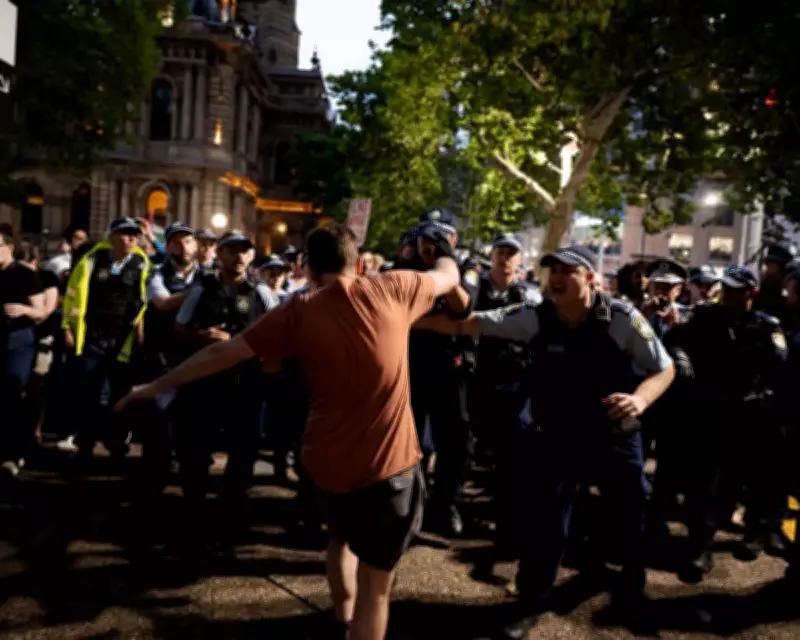
The legal landscape in NSW has been reshaped by a decisive court decision that invalidated an anti-protest law, which had been designed to restrict public demonstrations and gatherings. This ruling has sent shockwaves through the political and legal communities, prompting a reevaluation of existing and proposed measures aimed at curbing protest activities. The court found that the law infringed upon fundamental democratic rights, including freedom of speech and assembly, setting a precedent that could influence future legislative efforts.
Legal Expert Highlights Risks of Banning Slogan
In light of this judicial development, a respected legal expert has issued a stark warning to the NSW authorities. The expert emphasised that any attempt to ban the phrase 'Globalise the Intifada' must be carefully considered, as it could face similar legal challenges on constitutional grounds. The slogan, which has been used in various protest contexts, is seen by some as a call for solidarity with Palestinian causes, but its interpretation and legality are subjects of intense debate.

The expert pointed out that the court's rejection of the anti-protest law underscores the importance of protecting expressive freedoms, even for contentious or politically charged statements. Banning such a slogan without robust justification might be viewed as an overreach of governmental power, potentially violating principles of free expression enshrined in legal frameworks.
Broader Implications for Protest Regulations
This situation highlights a broader tension between maintaining public order and upholding civil liberties. The NSW government's response to the court ruling will be closely watched, as it could set a precedent for how protest-related regulations are crafted and enforced in the future. Legal analysts suggest that authorities should engage in thorough consultation and risk assessment before implementing any new bans or restrictions.
Moreover, the expert's advice serves as a reminder that legal decisions can have far-reaching consequences, influencing not only specific cases but also the overall approach to governance and rights protection. As NSW navigates these complex issues, the balance between security concerns and democratic freedoms remains a critical challenge.