
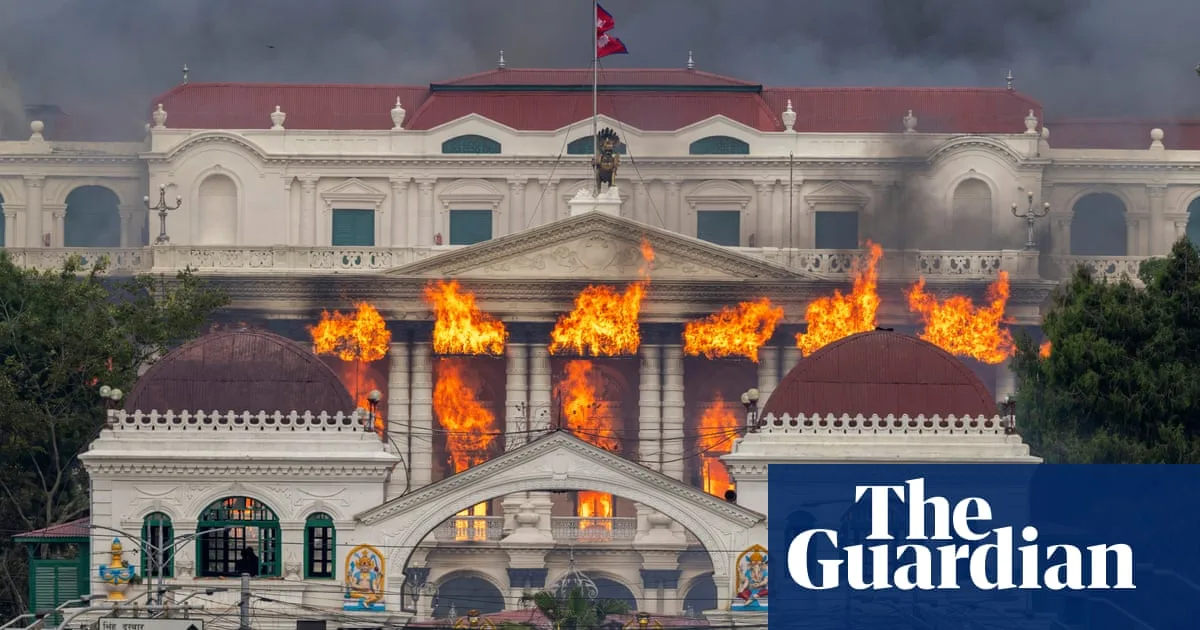
Nepal's Prime Minister KP Sharma Oli resigned on Tuesday after days of violent protests triggered by a government ban on social media apps. The unrest, which left 19 dead and hundreds injured, escalated into a broader movement against political corruption and nepotism.
The protests began after the government banned 26 social media platforms, including Facebook, WhatsApp, YouTube and X. Although the ban was reversed on Monday night, it failed to appease young demonstrators, who continued what they called the 'Gen Z' protests. On Tuesday, thousands stormed the federal parliament building in Kathmandu and set it alight, while fires burned across the capital and riot police faced stone-throwing crowds.
Oli's resignation was announced after his home was set on fire and protesters took control of the main administrative area, Singha Durbar. In his resignation letter, Oli stated he stepped down to 'facilitate a solution to the problem and help resolve it politically'. The home minister had already resigned on Monday night over the killing of protesters.
Despite Oli's resignation, chaos continued. Nepal's army chief confirmed troops would be deployed from 10pm to maintain order, warning that some groups were taking 'undue advantage' of the situation. President Ram Chandra Paudel invited Gen Z protest leaders for talks.
The protests reflect deep-seated anger among young Nepalis over political instability, corruption and economic hardship. Many demonstrators demanded criminal investigations into the use of deadly force against protesters. 'This is not just a death of 19 youths – it is murder,' said Tanuja Pandey, 24.




