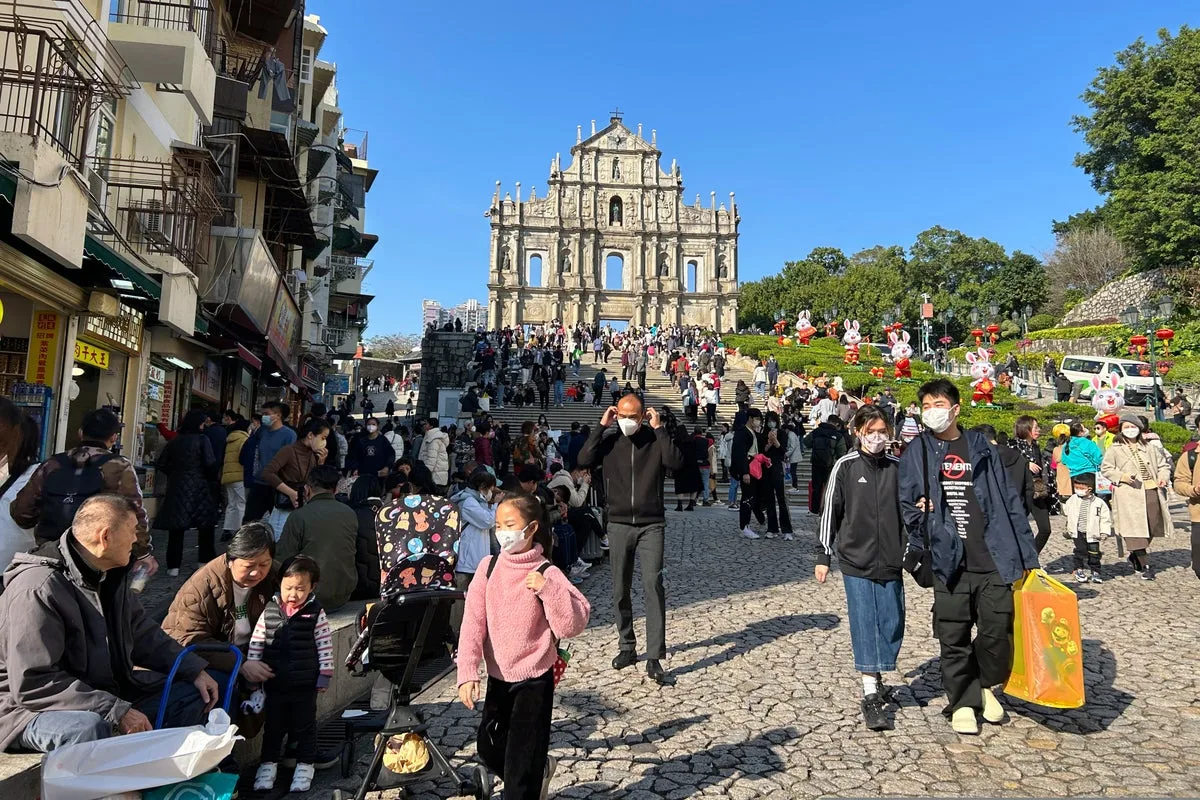
Macao Passes Law Permitting Secret Trials for National Security Cases
Macao Passes Law Allowing Secret Trials for National Security

Macao Legislators Unanimously Approve Secret Trials Bill for National Security

Lawmakers in Macao, China's special administrative region and renowned casino hub, have unanimously passed a significant new law on Thursday, March 19, 2026. This legislation grants authorities the power to conduct closed-door court proceedings in cases where public hearings are judged to potentially harm national security interests.

Expanded Powers for National Security Committee

The new law substantially enhances the authority of Macao's national security committee, a body tasked with implementing security policies from the central government in Beijing. Under the legislation, if both judges and this committee agree that a public trial could jeopardise national security, proceedings can be held behind closed doors, away from public scrutiny.

The committee's composition is also being broadened under the new rules. Previously consisting primarily of security officials, police chiefs, and the city leader, membership will now include heads of cultural affairs, education, and youth development departments. This expansion aims to incorporate a wider cross-section of governmental interests into national security deliberations.

Wide Pickt banner — collaborative shopping lists app for Telegram, phone mockup with grocery list

Concerns Over Transparency and Precedents

The provision allowing secret trials in criminal cases has raised concerns among observers and critics. These worries have been amplified by recent events, notably the detention last year of former pro-democracy lawmaker Au Kam San. He was held on suspicion of colluding with external forces in violation of Macao's national security law, marking the first publicly known case under legislation originally enacted in 2009 and revised in 2023.

Critics argue that authorities in both Macao and neighbouring Hong Kong have been systematically strengthening controls over political expression in recent years. The new Macao law is seen by some as another step in this direction, potentially limiting judicial transparency in sensitive cases.

Government Justification and Historical Context

The Macao government has defended the legislation, stating in an official announcement that it holds great significance for safeguarding national sovereignty, security, and development interests. The law is scheduled to take effect one day after its publication in the official gazette.

Macao, a former Portuguese colony returned to Chinese rule in 1999, has transformed from a gambling monopoly into one of the world's largest gaming centres. Historically, its pro-democracy movement has been less influential than Hong Kong's, and the territory has experienced far fewer massive protests challenging governmental authority.

However, political controls have intensified in recent years, particularly following the extensive anti-government protests that shook Hong Kong in 2019. These events represented the most significant challenge to Beijing's authority since the handovers, prompting tighter security measures across China's special administrative regions.

The new legislation represents a notable development in Macao's legal landscape, balancing national security priorities against concerns about judicial transparency and civil liberties in the territory.

Pickt after-article banner — collaborative shopping lists app with family illustration




