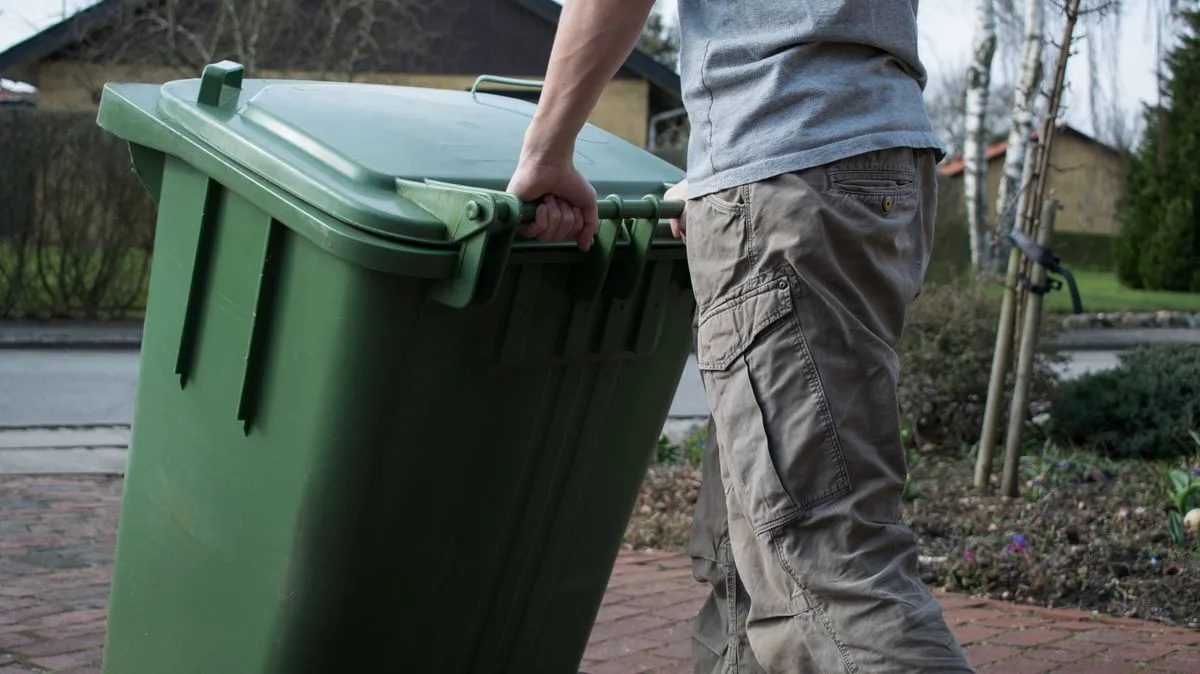
Legal Rights If Neighbours Use Your Wheelie Bins Without Permission
Legal Rights If Neighbours Use Your Wheelie Bins

If your neighbour has taken your wheelie bin without asking, it can sometimes be an innocent but frustrating mistake. However, when it becomes a deliberate act, disputes can escalate quickly. Homeowners have several legal rights to address such situations, especially when neighbours take advantage without permission. Entitled neighbours could face significant fines depending on how far they go to misuse your property.

Legal Protections for Homeowners

The law addresses bin-related disputes in different ways, depending on the specific actions of the neighbour. Whether they are 'borrowing' your bin because theirs is broken or filling it with their rubbish, leaving you with no space, homeowners have legal protections. Although bins are typically supplied by local councils, they are allocated to a specific property, and taking them without permission is illegal.

Theft Act (1968)

If a neighbour has taken your bin and claimed it as their own, this constitutes theft under the Theft Act (1968). You can report the theft to the police via the non-emergency number (101). Due to court backlogs and the low monetary value of the item, police will likely try to resolve the matter without a full trial, provided the neighbour has no significant criminal record. Reporting the theft may not lead to an arrest, but it provides a crime reference number. If your council charges for replacement bins (sometimes up to £50), presenting this number may persuade them to waive the fee.

Wide Pickt banner — collaborative shopping lists app for Telegram, phone mockup with grocery list

Environmental Protection Act (1990)

If your neighbour uses your bin to sneak extra rubbish out on collection day without permission, they expose you to council fines, especially if they overfill it or mix general waste into your recycling bin (contamination). Using someone else's bin without permission can be considered flytipping under the Environmental Protection Act (1990). To stop this, report the behaviour to your local council's Environmental Health or Waste Management team. Local authorities can issue fines of up to £400 for improper waste disposal. If your neighbour's actions cause your recycling bin to be rejected due to contamination, the council can take action against them, provided you have proof such as CCTV or video doorbell footage.

Practical Steps to Resolve Disputes

Since legal routes via the council or police can take time, many bin disputes are best handled between neighbours. Use heavy-duty stickers or spray paint to prominently display your house number and postcode on all sides of the bin and its lid. This makes it obvious to bin collectors and the street that the neighbour is using a bin that isn't theirs. If possible, keep your bins locked in a garden, garage, or behind a gate until collection morning.

Involuntary Bailment

If the bin was mistakenly placed at the wrong address by bin collectors, the law calls this involuntary bailment. This means your neighbour has ended up with your property through no fault of their own, but they still have a legal duty to take reasonable care of it and not damage it. In most cases, a simple swap resolves the issue. It only becomes a bigger problem if the neighbour refuses to return the bin when asked, as they are then actively depriving you of your property.

Pickt after-article banner — collaborative shopping lists app with family illustration




