
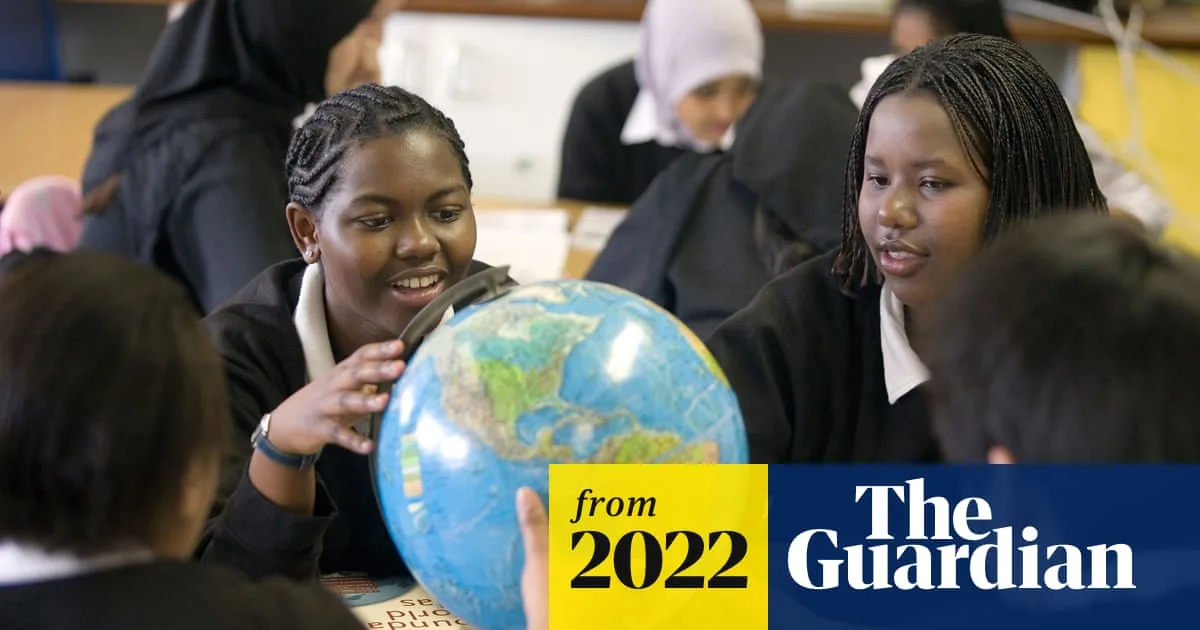
New government guidance restricting political debate in English schools could harm students from minority backgrounds by removing safe spaces to discuss issues affecting them, according to critics. Natasha Devon, the former government mental health champion for schools, warned that the guidelines might deter teachers from facilitating discussions on polarising topics that young people encounter on social media.
Devon, who works with 14- to 18-year-olds, said students often bring ideas from activists they admire into the classroom, and teachers help them make sense of these ideas in a non-partisan way. She compared the guidance to Section 28, which banned the 'promotion' of homosexuality in schools, arguing that it led to silence on the issue and could now stifle conversations about race and social justice.
The guidance, issued by Education Secretary Nadhim Zahawi, stresses impartiality when teaching 'contentious' issues like imperialism and cautions against adopting 'extreme' political positions, singling out the Black Lives Matter movement as needing balance. However, Rowena Seabrook of Amnesty International UK said the guidance would have a 'chilling effect' and is unnecessary, while Natasha Robinson of the University of Oxford argued it leaves teachers feeling threatened and lacks practical strategies for handling partisan comments in class.
Nick Lowles of Hope Not Hate accused the Department for Education of using the guidance to fuel 'culture wars' rather than improve education, calling the move cynical and unhelpful for schools navigating complex topics like racism.




