Andy Burnham has told the United Nations that the UK and its allies have been subjected to an “industrial-scale assault” by hostile states, including Russia, as he announced a new National Centre for Information Defence to tackle online lies and deepfakes damaging British interests.
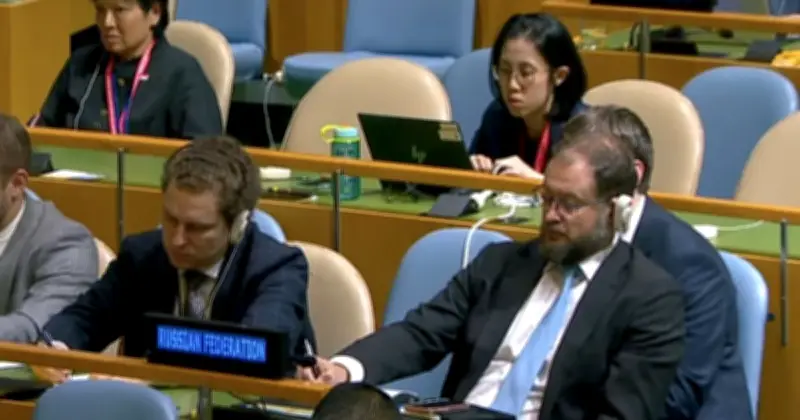
Speaking at the UN General Assembly in New York, Mr Burnham said Russian agencies had used every means at their disposal to spread lies and disinformation, preying on people’s fear. He highlighted the use of bots, fake websites, falsified newspaper articles, and the forged branding of 28 British organisations, including universities and the BBC, as well as the amplification of far-right narratives.
Evidence of Election Interference
Mr Burnham stated that there is evidence of Russian attempts to interfere with the 2019 General Election, and to stoke tensions and unrest in the wake of horrific events. “The idea that anyone would try to use such things to their advantage is just repulsive – but it is what they do,” he said.

The new unit is initially being led out of the Office for the Prime Minister and Cabinet, working alongside intelligence agencies, government departments, the police and social media companies.
Kremlin's Spending and Vulnerable Groups
Mr Burnham said the Kremlin spends around £1.3 billion each year on manipulating information, describing an “insidious campaign” that reaches into people’s homes and twists their feelings about their own country and community, creating a narrative of decline, stoking division and sowing despair. He also noted cyber-attacks on UK companies and institutions, and warned that AI will multiply the threat.
He suggested that those struggling with the cost of living, or young people not in employment, education or training, are much more vulnerable to this kind of influence, so part of the response was creating economic opportunities.
UK's Commitment to Counter Disinformation
“We have tiptoed around this for too long,” Mr Burnham said. “Over the last decade we have given too much ground to those who want to run a negative, corrosive narrative about life in Britain, which bears no resemblance to reality. Well, no more.”
He added that the UK was already helping other countries facing similar online threats, including supporting Moldova to protect its elections from Russian interference, and was ready to share its understanding of how these actors work and how to respond, as vital for collective security and resilience.