

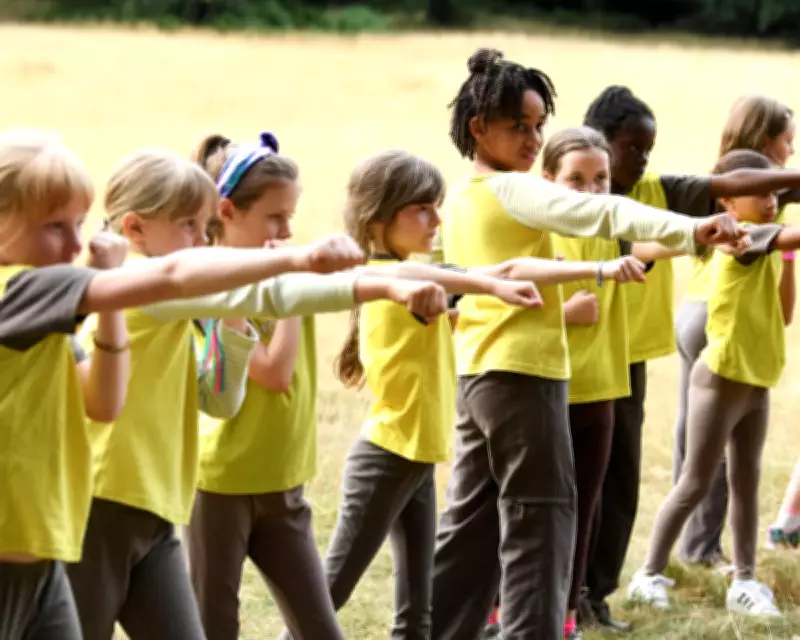
Girlguiding's Controversial Decision to Exclude Trans Members
Girlguiding has faced intense criticism after announcing it will expel transgender members from its organisation, effective this September. The move follows a Supreme Court ruling last April that defined "sex" and "woman" as referring to biological sex assigned at birth, though the court did not mandate single-sex services. Critics argue the charity's response is unnecessarily harsh and contradicts its historical ethos of inclusivity.
A Humane Half-Year or a Painful Transition?
Trans girls have been given until September to leave, described by some as a "humane half-year" to find alternative groups. However, this period requires them to participate in an organisation that has explicitly rejected them, which many see as psychologically damaging for young people seeking a welcoming community. Girlguiding has stated it must follow the law, but its online FAQ has been criticised for its tone, with questions like "How should volunteers check that trans girls have left?" raising eyebrows about potential enforcement methods.
Alternative Solutions Ignored
Observers note that Girlguiding could have avoided this controversy by rebranding to a more gender-neutral name, such as KidGuiding or RangersRainbow, referencing existing age groups like Rainbows and Rangers. These sections, named in 1987 and earlier, were designed to be fun and activity-focused without emphasising gender. Rainbows (ages 4-7) and Brownies (ages 7-10) have names that avoid gendered connotations, while Guides and Rangers (ages 10-18) are similarly neutral, potentially fitting for anything from cars to clubs.

Historical Context and Radical Roots
Historically, Girlguiding aimed to provide a space for girls to socialise free from societal strictures, with activities like bug identification and sewing. Its radicalism lay in not insisting on femaleness as a core identity, unlike more traditional groups. While elements like Christian promises (until 2013) and oaths to the monarch existed, the focus was on community-building, socialising, or character-building across decades. This made it a refuge from gender expectations, not a reinforcement of them.
Potential Consequences and Alienation
The decision risks alienating trans allies among parents, who may avoid enrolling their children. Girlguiding does not collect gender identity data, so the immediate impact is unquantifiable, but deterrence is likely. Older Rangers (ages 14-18), who mentor younger Guides, are part of Gen Z, a generation known for inclusivity and higher LGBT+ identification. Excluding trans members may clash with their values, potentially driving away volunteers and participants.
Identity Capsized by Exclusion
By centering femaleness as an exclusive trait, Girlguiding has shifted from its founders' spirit of fun and inclusion to one of exclusion. A name change might have posed branding challenges, but the current path risks capsizing the organisation's identity entirely. The move has sparked debate about whether charities should prioritise legal compliance over humane values, with many arguing this decision will harm both trans members and Girlguiding's long-term viability.






