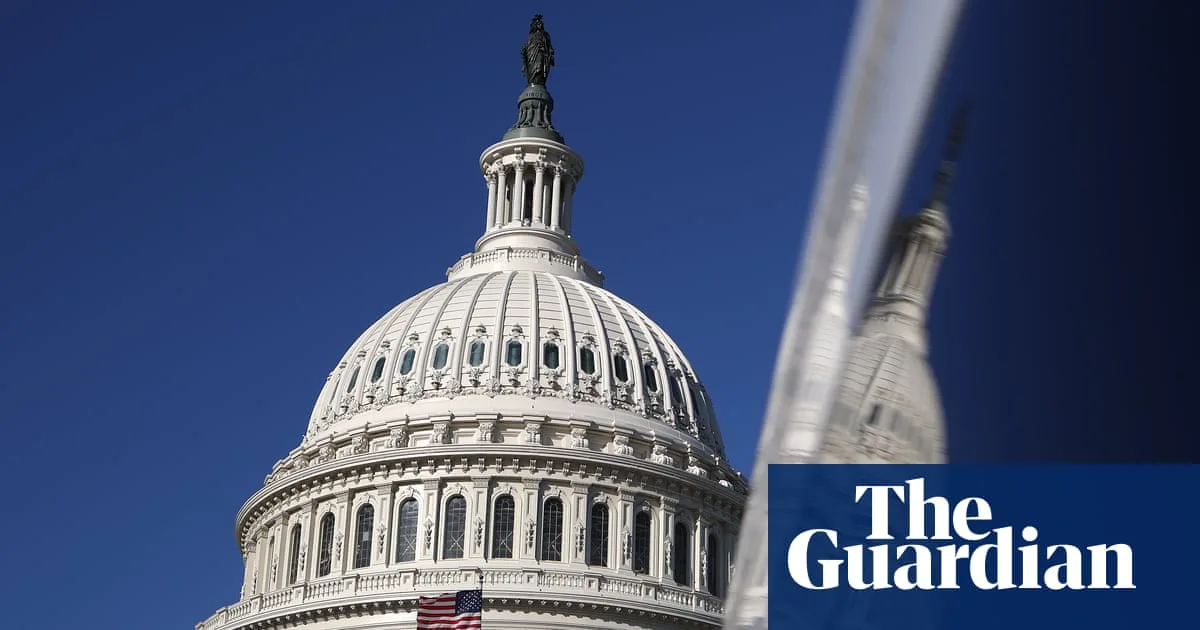
Understanding FISA: The Law Behind No-Warrant Surveillance Explained
FISA Explained: No-Warrant Surveillance Law Overview

What Is FISA and How Does It Enable No-Warrant Surveillance?

The Foreign Intelligence Surveillance Act (FISA) is a pivotal piece of legislation enacted in the United States in 1978, designed to regulate the government's surveillance activities targeting foreign powers and their agents. This law establishes a legal framework for intelligence gathering, including provisions that allow for no-warrant surveillance under specific circumstances, primarily to protect national security interests.

Key Provisions of FISA

FISA outlines several critical mechanisms for surveillance, with Section 702 being particularly notable for permitting no-warrant surveillance. This section authorises the collection of communications from non-U.S. persons located outside the country, without the need for individual warrants, when the surveillance is conducted for foreign intelligence purposes. The process involves oversight by the Foreign Intelligence Surveillance Court (FISC), which reviews and approves surveillance applications to ensure compliance with legal standards.

No-Warrant Surveillance Under FISA: The act allows agencies like the National Security Agency (NSA) to intercept communications without a traditional warrant, provided the surveillance is targeted at foreign entities and aims to gather intelligence on threats such as terrorism or espionage. This has sparked debates over the balance between security needs and privacy rights, as it can incidentally collect data on U.S. citizens.

Wide Pickt banner — collaborative shopping lists app for Telegram, phone mockup with grocery list

Implications and Controversies

FISA's no-warrant provisions have been both praised for enhancing national security and criticised for potential overreach. Proponents argue that it is essential for preventing attacks and monitoring hostile foreign actors, while critics raise concerns about civil liberties, citing risks of mass surveillance and lack of transparency. Recent reforms and court rulings have sought to address these issues, but the law remains a focal point in discussions on surveillance policy.

Historical Context: FISA was established in response to abuses of surveillance powers in the 1970s, aiming to create a legal structure for intelligence activities. Over the years, amendments like the USA PATRIOT Act have expanded its scope, reflecting evolving security challenges.

  • FISA enables surveillance of foreign targets without warrants under Section 702.
  • Oversight is provided by the FISC to prevent abuses.
  • Debates continue over privacy versus security implications.

In summary, FISA serves as a cornerstone of U.S. surveillance law, facilitating no-warrant operations to combat foreign threats while navigating complex legal and ethical landscapes.

Pickt after-article banner — collaborative shopping lists app with family illustration




