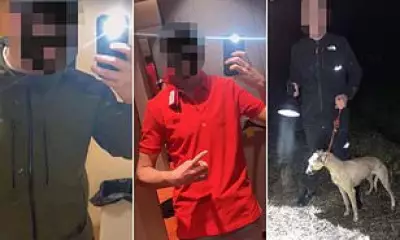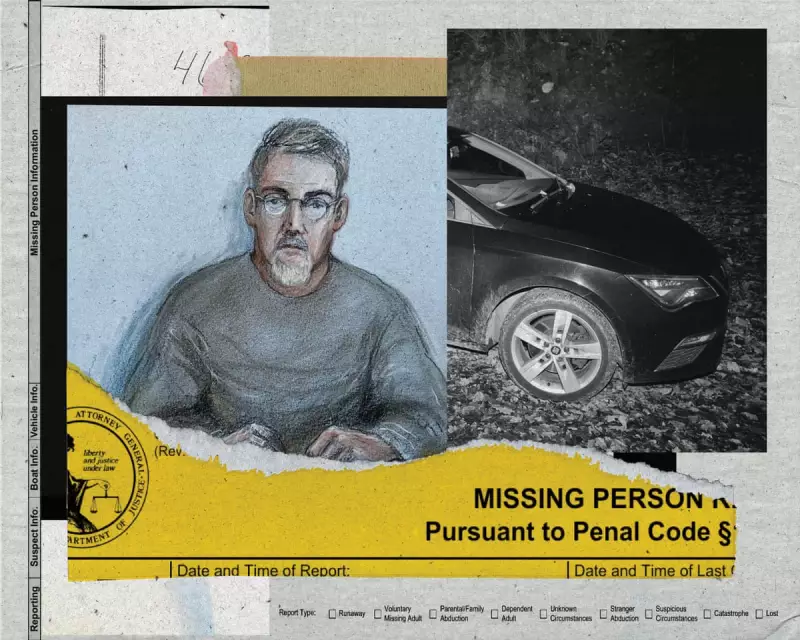
An animal rights activist who spent 15 years on the FBI's Most Wanted list is now fighting to avoid extradition from the United Kingdom to the United States, where he faces decades in prison. The case of Daniel Andreas San Diego, now 47, has resurfaced a controversial chapter in American domestic extremism and raises profound questions about justice and political persecution.
From San Francisco Streets to a Welsh Hamlet
Twenty-two years ago, a 25-year-old IT specialist and committed vegan vanished from San Francisco. San Diego was the prime suspect in a series of pipe bomb attacks in August and September 2003 targeting the headquarters of Chiron Corporation and Shaklee Corporation in the Bay Area. The bombings, which injured no one, were claimed by a group calling itself the Revolutionary Cells – Animal Liberation Brigade, which accused the firms of links to the controversial animal testing company Huntingdon Life Sciences.
After the Shaklee bombing, an alert police officer in Pleasanton stopped San Diego near the scene. Although released, his details were recorded. When federal investigators later found this record, they placed him under surveillance. On 8 October 2003, followed by FBI agents, San Diego drove into San Francisco, parked his car at a busy intersection, descended into a subway station, and disappeared. His subsequent life as a fugitive only came into focus after his arrest in November 2024 in the remote northern Welsh hamlet of Maenan.

A New Identity and a Quiet Life in Britain
For over two decades, San Diego evaded capture. According to reports, he entered Great Britain around February 2005, working in London as an IT expert for a digital startup. He later secured a role as a Linux system administrator for a Manchester e-commerce firm. In a remarkable reinvention, he purchased a £223,000 detached house in the Conwy valley in January 2018, paying in cash, and lived under an Irish passport in the name of "Danny Stephen Webb".
It remains unclear what finally led authorities to his door, though local rumours suggested the quiet village had been under surveillance for months. Upon arrest, San Diego initially denied his identity but was reportedly identified by distinctive tattoos from his activist days, including imagery of burning buildings and the phrase "It only takes a spark".
Legal Battle and the Shadow of the 'Green Scare'
Now facing extradition, San Diego's legal team is mounting a formidable defence at Westminster Magistrates' Court. They argue that the United States, particularly under the potential influence of a second Donald Trump administration, is no longer a country where he can receive a fair trial. His barristers contend the charges are "stacked" to force a plea deal and warn that, if convicted, he could face 90 years in prison—a de facto life sentence.
The case throws a spotlight on the post-9/11 period known as the "green scare". In 2005, an FBI official told the US Senate that the "number one domestic terrorism threat" was the eco-terrorism and animal rights movement. This led to a widespread crackdown, with dozens of activists prosecuted. Experts like journalist Will Potter argue this era institutionalised the targeting of social movements, powers now wielded in a changed political landscape.
"The era in which this case arose almost seems quaint, looking back," said civil rights attorney Ben Rosenfeld, who has represented activists. He suggests government responses have only intensified, with people now targeted "for political viewpoints and opinions."
What Happens Next?
Forensic evidence presented in court links a wire stripper found in San Diego's car to markings on wiring in the debris of all three bombings. Prosecutors also say his fingerprints were on chemical containers in a mobile bomb-making kit discovered in his vehicle boot.

The final evidence in his extradition hearing is scheduled for 8 December, with closing arguments on 23 December. Senior District Judge Paul Goldspring is expected to deliver his ruling in early January 2026. The outcome will determine whether a man who built a secret life thousands of miles from home will be sent back to face the justice system he fled over two decades ago.