

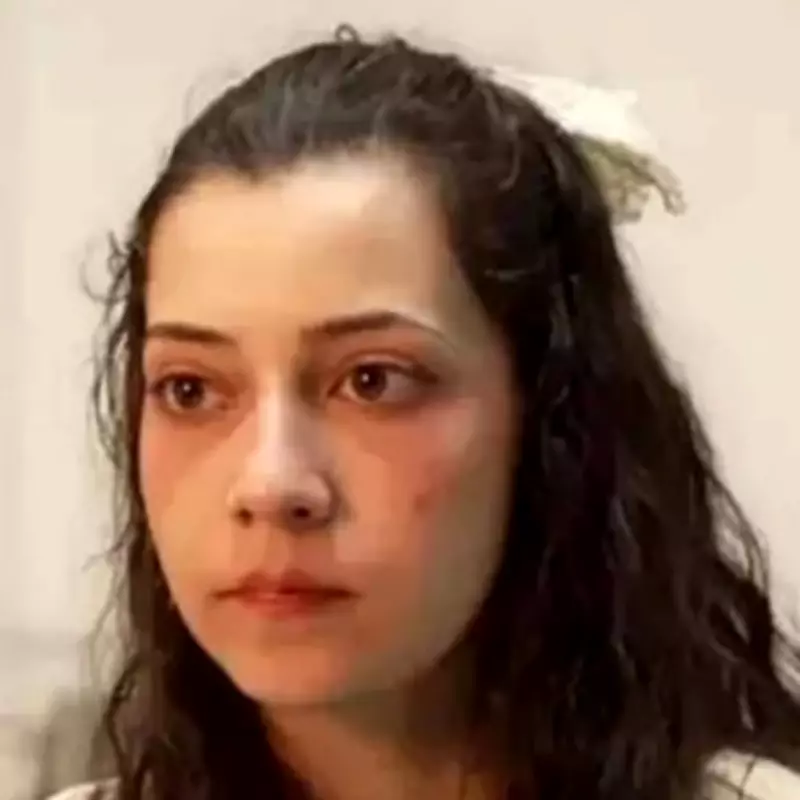
Spanish Court Approves Euthanasia for Paralysed Gang Rape Victim
In a landmark and deeply tragic case, a 25-year-old woman from Barcelona has ended her life via euthanasia after Spain's Constitutional Court approved her request. This follows a brutal gang rape in 2022 that left her paralysed and suffering from profound physical and psychological trauma.
A Life of Unbearable Suffering
Noelia Castillo Ramos endured years of immense pain after surviving a horrific sexual assault while residing in a state-supervised centre for vulnerable young people. The attack compounded existing mental health struggles, including a diagnosis of Borderline Personality Disorder. In the aftermath, in a state of despair, Ramos attempted suicide by jumping from a fifth-floor window. She survived the fall but sustained a severe spinal cord injury, leaving her paralysed from the waist down.
Since that moment, her life was defined by constant physical pain, severe disability, and worsening mental health conditions, including depression and obsessive-compulsive disorder. Her family revealed she had spent various periods in institutional care and was reliant on the Spanish mental healthcare system even prior to the rape.

Legal Battle and Final Decision
Ramos's request for euthanasia was granted under Spain's Organic Law on the Regulation of Euthanasia of 2021, which permits the procedure in cases of serious and prolonged suffering. Her father mounted a legal challenge, appealing to the Constitutional Court to stop the process.
However, in February 2026, the court rejected his appeal, stating there was "no violation of fundamental rights" and that the euthanasia could proceed. This decision was also supported by the European Court of Human Rights, providing a final legal endorsement.
Family Conflict and a Personal Choice
The case created a painful rift within the family. Ramos's parents spent years trying to intervene and prevent what they saw as an irreversible decision. Her father actively fought through the courts to save her, while her mother, Yolanda Ramos, expressed her disagreement but pledged unwavering support, telling media, "I do not agree, but I will always be by her side."
In a poignant interview just days before her death, Ramos confirmed she had no doubts about her choice. "I was very clear about it from the beginning," she stated. Addressing her family's opposition, she explained, "None of my family is in favour of euthanasia. Obviously, because I'm another pillar of the family. I'm leaving, and you're staying here with all the pain. But I think, all the pain I've suffered over the years... I just want to leave in peace now and stop suffering, full stop."
She added a powerful reflection on personal autonomy, saying, "And a father's, or a mother's, or a sister's happiness doesn't have to come before a daughter's happiness or sadness of a daughter's life." Her final, three-word message encapsulated her desire: to "leave in peace."
A Broader Context
This case highlights the complex ethical, legal, and personal dimensions of euthanasia in Spain. Since the 2021 law came into force, hundreds have requested assistance in ending their lives, but Ramos's story, intertwined with extreme violence and trauma, stands as one of the most harrowing. It underscores the severe, long-term consequences of sexual violence and the desperate measures some survivors feel compelled to take when faced with unrelenting suffering.
Noelia Castillo Ramos died yesterday evening, bringing a tragic end to a life marked by unimaginable hardship and a fiercely contested quest for a peaceful conclusion.






