
Nearly 60 years ago, Martin Luther King Jr. warned of a crossroads: one path leading to chaos, the other to community. His call remains unanswered, with many choosing distraction and complacency. This Black History Month, the challenge is to move beyond passive tributes and learn how change was actually made.
Ella Baker, a key organiser of the civil rights movement, insisted on building strong people rather than relying on charismatic leaders. She believed people must organise where they are — in neighbourhoods, workplaces and schools — and develop leadership from below. Her legacy lives on in groups like Students Deserve in Los Angeles, a youth-led organisation that won a $30m reduction in school police funding and reinvestment into a Black Student Achievement Plan.
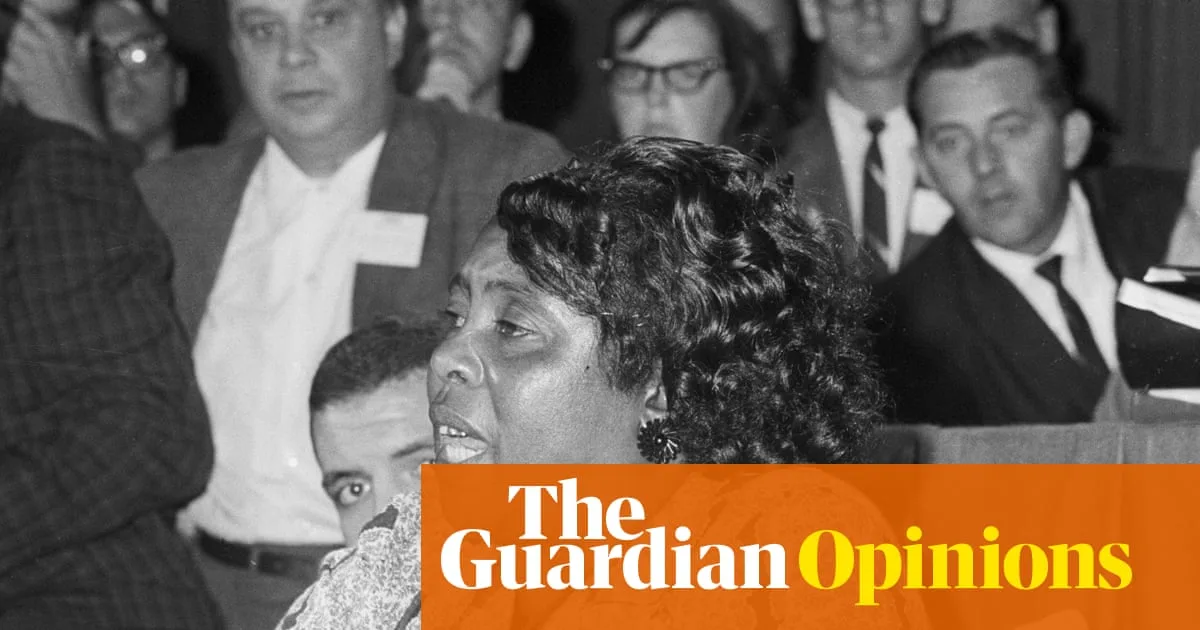
Fannie Lou Hamer, another civil rights giant, taught that being 'sick and tired of being sick and tired' must turn into action. That spirit is embodied by Pillars of the Community, which organises with currently and formerly incarcerated people, leads police-watch efforts, and provided disaster relief during 2024 California floods.
The Black Panther Party's unapologetic protection of Black communities also informs today's work. Organisations like the Anti Police-Terror Project and Communities United for Restorative Youth Justice are building community-led responses to violence and emergencies without relying on policing or incarceration.
The lesson is clear: responsibility is ongoing, and freedom is bound up with the freedom of others. Scrolling is not enough — real resistance requires action.




