Kemi Badenoch held crisis talks with Israeli Foreign Minister Gideon Sa'ar after Labour plunged the UK's relationship with Israel into turmoil. Jewish leaders across the UK reacted with dismay after Andy Burnham and Ed Miliband slapped sanctions on Israeli settlements in the West Bank.
The Chief Rabbi warned it was a “truly a dark day for British Jews” while a community leader whose father barricaded the doors during last year’s Manchester synagogue terrorist attack accused the government of fuelling an “obsessive hatred”.
Diplomatic backlash and counter-measures
The move triggered a diplomatic backlash from Donald Trump’s White House and Benjamin Netanyahu’s Israel. Mrs Badenoch, the Conservative leader, held talks with Mr Sa'ar on Tuesday night to signal her opposition.

Israel's top diplomat said: "I thanked them for their firm opposition to the hostile Labour Government’s announcement today and its series of anti-Israel policies since taking office. I welcomed their support for the friendship with Israel and their commitment for the future relations between our countries. We know that we have many friends in the UK, but unfortunately we are faced with the ongoing hostility of the current Labour government. I also thanked Kemi for her warm wishes ahead of the Jewish New Year."
Israel’s government closed the British consulate in Jerusalem as part of four "counter-measures" against the UK. These include barring 12 leftwingers from the country and Israeli ministers pledging support for Argentina's campaign to seize control of the Falklands.
Sanctions and political reaction
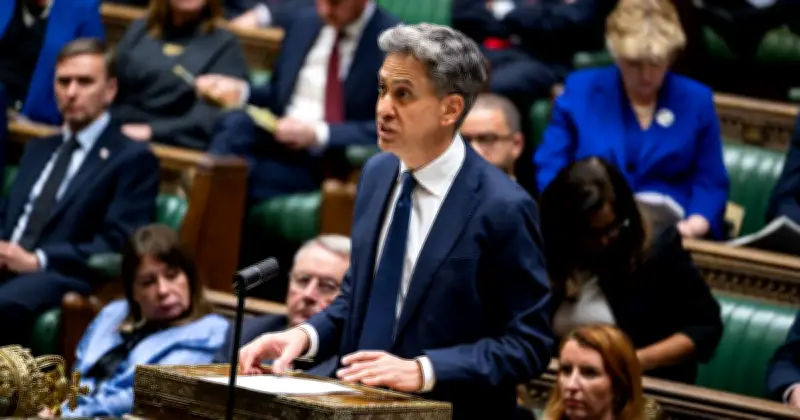
Companies are set to be banned from helping construct or selling properties in the settlements, in sanctions being coordinated with France and Canada. Announcing the measures in the Commons, Mr Miliband, the Foreign Secretary, accused the Israeli government of turning a blind eye to the “ethnic cleansing” of Palestinians. He said the British Government believed the occupation of the West Bank as a whole was unlawful, going beyond the previous position that only described the settlements themselves as illegal. And he said there was increasing evidence that Israel had committed war crimes in Gaza.
The announcement comes after Labour formally triggered a by-election in Keir Starmer's Holborn & St Pancras seat, where Palestine is set to be a major issue. Mr Miliband told MPs that a “new approach” was necessary because plans for the E1 development in the West Bank would render a two-state solution “unviable” by “cutting through the heart of Palestine”.
He said more settlements had been approved under the four years of Mr Netanyahu’s government than in the previous 20 years, and settler terrorism in the West Bank was “rampant”. “The British government agrees that there is ethnic cleansing of Palestinians in areas of the West Bank – perpetrated by settler terrorists,” Mr Miliband told the Commons. “And all too often the Israeli government has turned a blind eye to this and worse, members of it have made statements and taken actions to support the forced displacement of Palestinians.”
Announcing an import ban on goods from illegal settlements, he said: “I do not believe the British people want us supporting the occupation by accepting products from settlements in our shops and supermarkets.”
Community and international responses
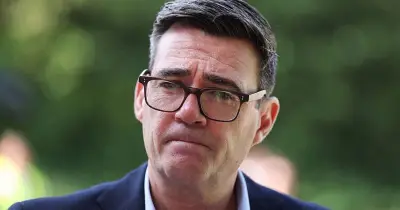
Mr Burnham said in a statement: "The suffering of the Palestinian people is a scar on the conscience of the world. Innocent Palestinians, including children, continue to be killed in Gaza. And there is still a humanitarian crisis, with far too little aid getting in. That's why we are acting, and why Britain will continue to act in support of our values."
Mr Sa'ar announced that the UK’s consulate in Jerusalem would be closed as part of a package of retaliatory measures. He also said Israel would ban 11 MPs and a campaigner involved in what he claimed was “antisemitic and anti-Israel activity” from entry to the country. They include former Labour leader Jeremy Corbyn and veteran Labour MP Diane Abbott.

Mr Miliband acknowledged Israel had “the right not to live in fear of vile terrorism” and to defend its territory and people following the Hamas attacks on October 7, 2023. “But that cannot justify what has happened in Gaza,” he said. Describing himself as a “proud British Jew”, he made clear he was “unwavering” in his support of Israel.
Marc Levy, whose dad, Alan, confronted Jihad Al-Shamie outside Heaton Park Synagogue last October, warned that Labour’s language on Israel could fuel more extremism on the streets. Mr Levy, Chief Executive of the Jewish Representative Council of Greater Manchester and Region, told the Daily Express: “People around the world are being radicalised to want to murder Jewish people. There's an obsessive hatred over this subject. I think it's going to create a kind of permissive environment where it creates an atmosphere or an environment for extremism to flourish.”
US Ambassador to Israel Mike Huckabee called the UK’s move an “irrational action”. “I feel like it’s discrimination against the Israeli government. It’s a discrimination against the Jewish people,” he told the BBC. In further escalation, Florida congressman Randy Fine has warned that the state has a law that would ban British imports in retaliation.
Shadow foreign secretary Tom Tugendhat warned that the trade ban would not work and the sanctions could bolster the chances of hardliners in Israel’s election. “The Israeli election is in just seven weeks and many have argued, correctly, that this action will help the extreme candidates’ campaigns and not help those who are making the moderate argument for a united Israel.”
The Jewish Leadership Council warned the ban on goods from settlements “risks becoming a de facto boycott of Israel” and claimed Mr Miliband was “yielding to pressure from the most extreme elements of British society”. “The left-wing and Islamist extremists the Government is trying to appease will never be satisfied, and no responsible government should bend to their demands,” a JLC spokesman said.
The Board of Deputies of British Jews criticised the announcement and its timing, in the run-up to the Rosh Hashanah new year festival. In a statement, the organisation said: “As proud Brits who love our country, and who also have deep religious, cultural and family ties to Israel, we feel a deep sense of anguish about this breakdown in relations. We are also impacted directly by heightened rhetoric about the conflict, including policies that focus on the actions of the Israeli government and do not sufficiently address responsibilities of Palestinian leaders and malign actors in the region.”
Reform UK deputy leader Richard Tice said: "Labour’s desperation to win back hard-left and Islamist voters from the Greens is stupidly self-defeating. Ed Miliband’s kamikaze mission to take a wrecking ball to the relationship with one of most important security partners and economic interests is student politics at its most destructive. It also gives licence to the Jew haters to be even more antisemitic."
Around 160 settlements have been built by Israel since its occupation of the West Bank during the Six-Day War in 1967. Around 770,000 live in them, up from an estimated 270,000 in 1993. Concerns have intensified following Israel's recent decision to open tenders for 1,200 homes east of Jerusalem, which would divide the West Bank.