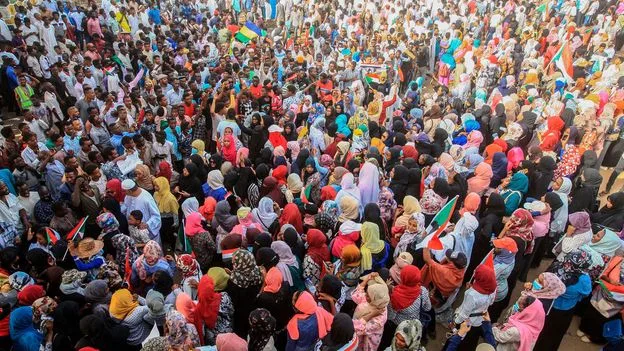
Research Shows Just 3.5% Protest Participation Can Drive Policy Change
3.5% Protest Participation Can Drive Policy Change

Small Protest Percentages Can Trigger Major Policy Shifts

Groundbreaking research indicates that policy change can be achieved when a remarkably small percentage of the population participates in nonviolent protests or boycotts. Scholars have found that if just 3.5% of a population engages in such activities, it creates sufficient pressure to drive governmental policy adjustments.

The 'No Kings' Movement's Expanding Reach

The "No Kings" movement has been organizing nonviolent protests across the United States since June 2025 to express widespread opposition to the Trump administration's policies. Organizers include a diverse coalition of nonprofits supporting civil rights, LGBTQ+ rights, progressive political groups, and unions.

An estimated 7 million Americans participated in the 2,100 "No Kings" protests on October 18, 2025, setting new records for mass mobilization. The movement has expanded to every state, occurring in major cities like Dallas, Philadelphia, and Phoenix, as well as thousands of smaller towns including Corydon, Indiana, and Hamilton, Montana.

Wide Pickt banner — collaborative shopping lists app for Telegram, phone mockup with grocery list

The 3.5% Threshold for Political Change

Researchers emphasize that massive protest turnouts alone may not achieve movement goals. The critical threshold identified is 3.5% population participation in nonviolent protests or boycotts. In the United States, this translates to nearly 12 million people, meaning the "No Kings" movement would need to nearly double from its October 2025 levels to reach this tipping point.

Public opinion data reveals growing opposition to Trump administration policies. Gallup's December 2025 presidential poll found only about one in three Americans approved of Trump's performance. In March 2026, Fox News discovered that six in ten Americans disapprove of Trump's immigration enforcement efforts, while a CBS poll found similar opposition to the U.S. war with Iran.

Why Boycotts May Be More Effective Than Protests

Scholars suggest protest movements can be more effective when emphasizing corporate boycotts over increasing protest size and scope. Boycotts offer several advantages:

  • They attract first-time activists with simple "buy this, not that" instructions
  • They provide easy ways for people to feel heard with minimal time, money, or risk investment
  • They change incentives for business leaders by impacting profits
  • They can transform corporations into unexpected allies when financial losses occur

Historical Examples of Successful Boycotts

Economic boycotts have a long history as tools of collective protest. In the 1980s, consumer boycotts of white-owned businesses in South Africa reduced profits and drew global attention to apartheid, ultimately contributing to the system's dismantling.

More recently, Target has faced pressure from both right-wing and left-wing boycotts. Right-wing boycotts in 2023 demanding removal of LGBTQ+ Pride merchandise caused Target to curtail diversity practices. After Trump's 2025 executive order banning diversity, equity, and inclusion programs, left-wing boycotts targeting Target's decision to end its Racial Equity Action and Change program led to a 33% stock decline in the first three quarters of 2025.

Corporate Pressure and Public Backlash

The Disney-ABC case illustrates how organized consumer pressure can counter political intimidation. In September 2025, Disney suspended late-night talk show host Jimmy Kimmel after controversial comments about right-wing influencer Charlie Kirk's death. Three million viewers called for a Disney boycott, disrupting streaming revenue and prompting the company to reverse its decision and renew Kimmel's contract.

Several consumer boycotts are currently underway in the U.S., many targeting companies that have donated to Trump administration initiatives. The People's Union USA organized a nationwide "economic blackout" on February 28, urging Americans to avoid spending for 24 hours to protest corporate influence over U.S. policies.

Keys to Boycott Success and Potential Pitfalls

For boycotts to succeed, researchers identify several critical factors:

Pickt after-article banner — collaborative shopping lists app with family illustration
  1. Sufficient participation numbers
  2. Sustained engagement over time
  3. Clear, focused demands
  4. Adequate coordination between groups

Uncoordinated boycotts with unclear aims often fail, especially when different groups target different companies without unified strategy. The economic impact depends on how many people participate consistently with specific objectives.

The "No Kings" movement continues to reflect mounting public frustration with Trump administration policies including harsh immigration enforcement, the costly Iran war, election intervention threats, healthcare spending cuts, and environmental protection reductions. To effectively rein in these policies, scholars believe the movement may require larger, focused boycotts targeting companies that financially support the administration's agenda.

As protest movements evolve, the research suggests that strategic emphasis on economic pressure through boycotts, combined with traditional protests, may offer the most effective pathway to achieving the 3.5% participation threshold necessary for meaningful policy change.




