The World Health Organization has urgently called for an end to attacks on healthcare facilities after three hospitals in southern Lebanon were struck by Israeli forces in less than a week, resulting in nine deaths and over 150 injuries, most of them medical staff.
Attacks on Medical Facilities
According to Lebanon's Ministry of Health, Israel carried out an attack near the public hospital in Tebnine on Wednesday, following strikes close to the Hiram and Jabal Amel hospitals in Tyre. The attack near Jabal Amel on Monday killed four people and injured 127, predominantly medical personnel.
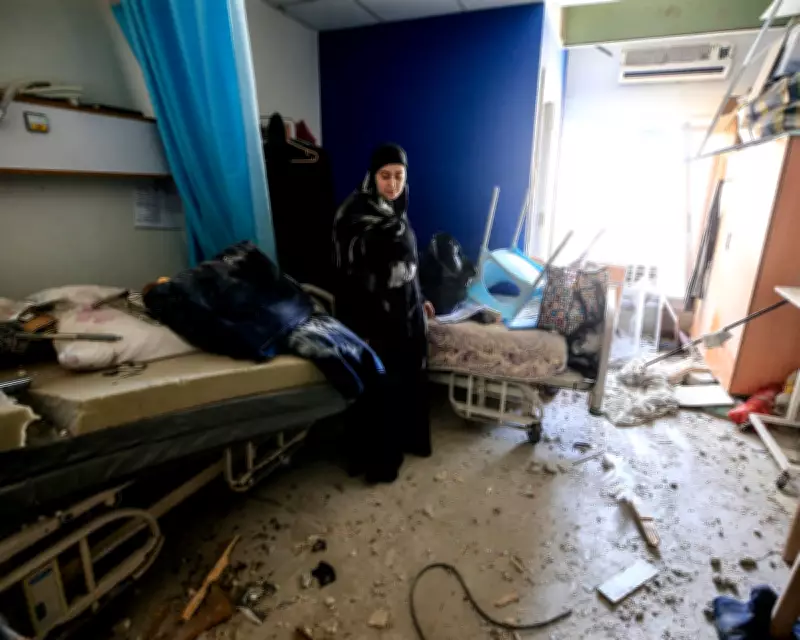
Wael Mroueh, director of Jabal Amel, described the event as a catastrophe. The strike flattened a building directly in front of the hospital, knocking out electricity, destroying much of the first floor, and forcing the evacuation of intensive care patients. Mroueh expressed shock, stating they had not anticipated such a massive strike.

WHO Response
The WHO's representative in Lebanon, Abdinasir Abubakar, noted that these attacks deprive the most vulnerable patients of care, with access to essential services already critically constrained. He called for an immediate halt to the strikes.
The hospitals are among the few functional healthcare facilities in south Lebanon, an area experiencing mass displacement. Tyre, one of the largest cities in the south, is hosting displaced people with limited medical access.
Casualties and Accusations
Since the conflict between Hezbollah and Israel began on 2 March, at least 130 medical workers have been killed and 162 ambulances and healthcare facilities struck, per the Lebanese health ministry. On Wednesday, an Israeli strike on an ambulance killed two emergency responders and critically wounded a third.
The Israeli military claimed it struck Hezbollah infrastructure in the Tyre area, acknowledging the hospital was incidentally affected but not targeted. It accused Hezbollah of taking over one of the hospitals in Tebnine and treating wounded fighters. The Lebanese health ministry dismissed this as a fabrication, calling it part of an escalating series of attacks on health institutions.
The International Committee of the Red Cross, Lebanese Red Cross, and Lebanese army maintain a medical presence in Tebnine's hospital. Analysts and human rights experts view these attacks as aimed at degrading living conditions in south Lebanon, noting that targeting medical facilities is a war crime.
Resilience Amid Devastation
Despite the damage, Mroueh confirmed that Jabal Amel hospital is again receiving patients, performing childbirth deliveries on the day of the strike. He praised the dedication of doctors and nurses who chose to continue working.
The fighting began on 2 March when Hezbollah launched rockets in retaliation for the killing of Iran's supreme leader. A ceasefire was signed on 17 April, but hostilities persist outside Beirut. Since 2 March, over 3,468 people have been killed by Israeli strikes in Lebanon, while at least 21 Israeli soldiers and two civilians have died from Hezbollah attacks.