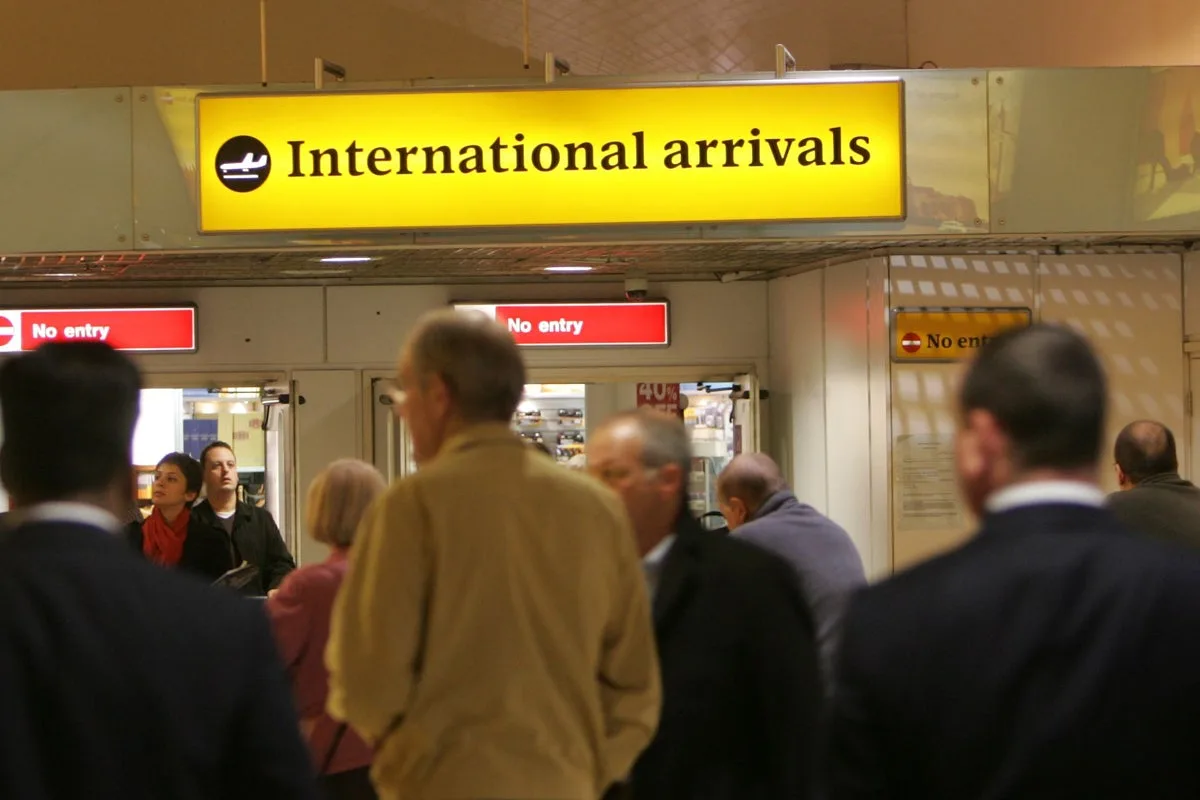
UK Net Migration Set to Fall Below 200,000 for First Time Since 2021
UK Net Migration Expected Below 200,000

Net migration to the United Kingdom is expected to fall below 200,000 for the first time since 2021 when new official figures are published on Thursday. This would mark a continued decline from the record peak of 944,000 in the year to March 2023.

Declining Trend

Net migration—the difference between long-term arrivals and departures—has been falling steadily over the past three years. After reaching a historic high in early 2023, the figure dropped to 204,000 in the 12 months to June 2025. The latest estimates from the Office for National Statistics (ONS) covering the year to December 2025 are projected to show an even lower number, potentially under 200,000.

Key Drivers

The reduction is attributed to two main factors: a significant decrease in non-EU arrivals for work, study, and family reunion, and an increase in departures, particularly among international students who have completed their courses. Policy changes initiated by the previous Conservative government and continued by the current Labour administration have played a crucial role.

Wide Pickt banner — collaborative shopping lists app for Telegram, phone mockup with grocery list
  • January 2024: Most overseas students were barred from bringing family members.
  • March 2024: Care workers could no longer bring dependents.
  • April 2024: Salary thresholds for skilled worker and family visas were raised.
  • July 2025: The Labour government ended overseas recruitment for care workers and further increased salary requirements for skilled worker visas.

Home Office data confirms that visa applications have plummeted since these measures took effect, with the downward trend continuing into 2026.

Public Perception Gap

Despite the sharp decline, opinion polling indicates a widespread misperception among the public. A survey by Ipsos and the think tank British Future of 3,003 adults in Great Britain found that 49% believe net migration has increased over the past year, while only 16% correctly identified the decrease. Furthermore, 51% expect migration to rise again next year.

Sunder Katwala, director of British Future, described this as a “massive perception gap” that influences immigration debates and broader politics. He urged politicians to take responsibility and called for a more informed conversation. “It’s little wonder voters think net migration is going up when the only debate we have is about how to bring it down,” he said. “We should be having a conversation about how to manage the pressures and gains of migration to Britain. The government could lead this with an annual Immigration Plan against which they’re held to account in Parliament. That kind of accountability could take some of the heat out of our immigration debate – and keep the public better informed.”

Asylum Seeker Accommodation

Alongside the net migration figures, the Home Office will release data on asylum seekers housed in hotels. As of December 2025, 30,657 asylum seekers were in hotel accommodation, a 19% year-on-year decrease and the lowest number since June 2024. Ministers have pledged to end the use of hotels for asylum seekers by the next general election.

Pickt after-article banner — collaborative shopping lists app with family illustration




