Breakthrough UK-France Agreement Targets Small Boats with Enhanced Patrols
A significant new agreement between the United Kingdom and France has been finalised, focusing on intensifying efforts to prevent dangerous small boat crossings across the English Channel. The deal commits substantial resources, including hundreds of additional police officers and advanced surveillance technology, to patrol the northern French coastline.
Substantial Investment in Enforcement and Surveillance
The core of the agreement involves a major increase in personnel and equipment. A total of £500 million will be invested to boost enforcement actions. This funding will facilitate a 40% surge in the number of officers assigned to intercept small boats, raising the current contingent of 750 police, intelligence, and military personnel to approximately 1,100.
Furthermore, millions of pounds worth of drones and helicopters will be deployed to survey the coastline and disrupt people smugglers attempting to launch overcrowded and unsafe vessels. For the first time, UK payments to France under this arrangement will be explicitly linked to achieving a reduction in the number of individuals successfully reaching British shores.

New Tactical Units and Focus on Taxi Boats
The enhanced operational plan includes the establishment of specialised units. A new French riot police team will be trained specifically to manage and disperse hostile crowds gathering on beaches. Additionally, a French intelligence unit dedicated to tackling people smuggling will nearly double in size, expanding from 18 to 30 officers.
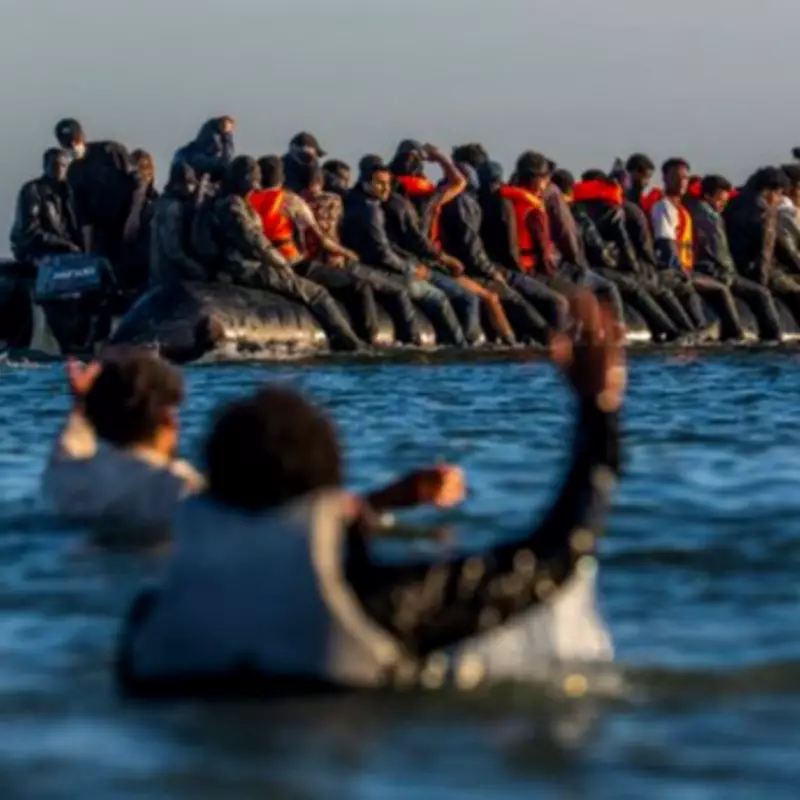
A renewed focus will target so-called "taxi boats"—vessels that pick up migrants in waist-deep water after launching from locations further along the coast. To counter this tactic, French authorities will assign an extra 20 maritime officers and deploy a new vessel specifically for intercepting these boats.
Political Context and Conditional Funding
The agreement follows weeks of negotiation after Home Secretary Shabana Mahmood sought to improve upon a previous deal established under the Conservative government. Announcing the pact, Prime Minister Keir Starmer emphasised the goal of restoring order to UK borders, highlighting that collaborative work with France had already prevented tens of thousands of crossings.
A critical element of the deal is its conditional nature. The UK has issued a clear warning that continued funding is contingent on demonstrable results. An additional £160 million is earmarked to be released only if the implemented measures prove successful. The deployment will be front-loaded, with the surge in officers and resources concentrated during the summer months when crossing attempts typically peak.
Criticism from Advocacy Groups
While the government hails the agreement as a historic step, refugee and human rights organisations have voiced strong concerns. Campaigners argue that a sole focus on policing and interception is treating the symptom rather than the cause of the issue.
Imran Hussain of the Refugee Council stated that without the expansion of safe and legal routes to the UK, such as family reunion schemes, desperate individuals fleeing persecution will continue to be forced into taking perilous journeys. Sile Reynolds from Freedom from Torture criticised the agreement, warning it would fund police actions against vulnerable survivors of torture and war on French beaches.
Broader Immigration Policy Context
This deal forms part of a series of measures being advanced by the Home Secretary aimed at discouraging migration. These include proposals for 30-month reviews of refugee status, which could lead to returns if home countries are deemed safe, and potential payments to failed asylum seekers to encourage voluntary departure from the UK.
The humanitarian stakes remain high. So far this year, at least six people have died attempting the Channel crossing, while over 6,000 have reached the UK since January. Official figures indicate that since July 2024, joint operations have stopped over 42,000 crossing attempts and led to 480 arrests of suspected traffickers.