
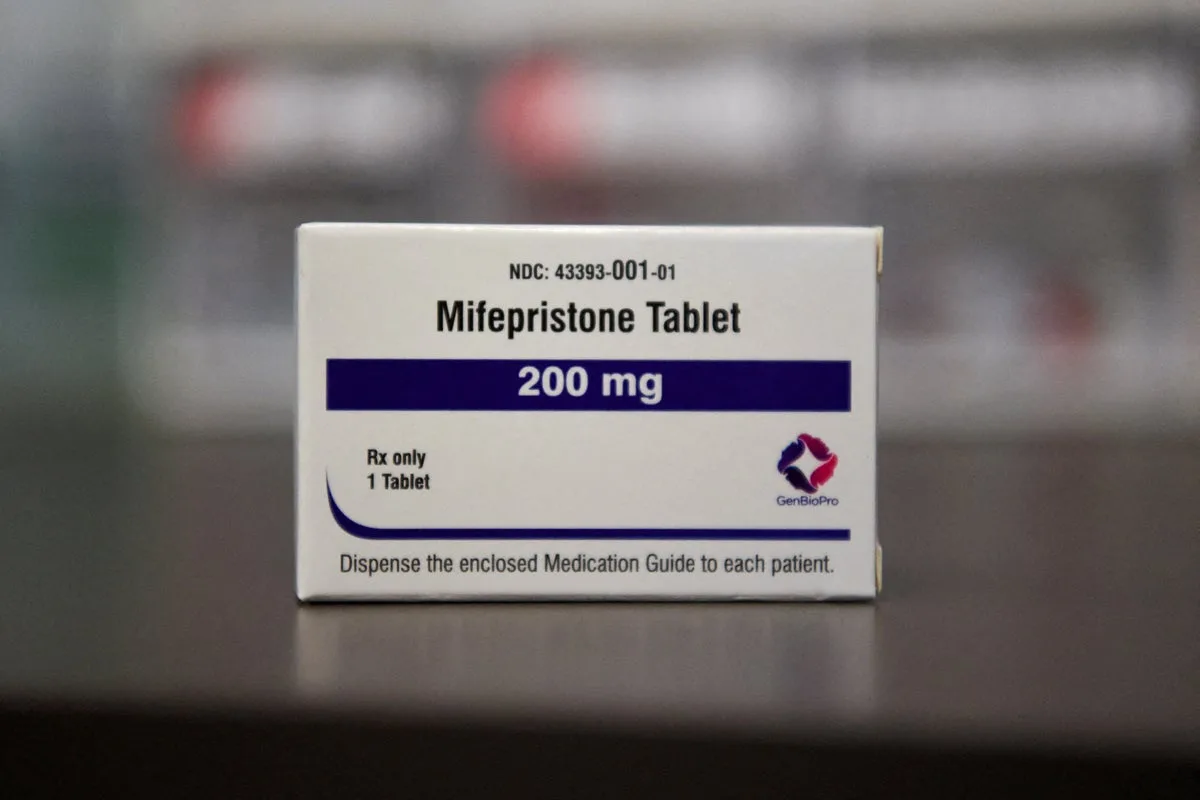
The Supreme Court has temporarily preserved access to the widely used abortion pill mifepristone, delaying a decision on potential restrictions until at least Thursday. The order, issued by Justice Samuel Alito on Monday, means women can continue to obtain the medication through pharmacies or by mail, bypassing requirements for an in-person doctor's visit. It effectively blocks a federal appeals court's imposed restrictions from taking immediate effect.
The high court is now grappling with its latest abortion-related dispute, coming four years after its conservative majority overturned Roe v. Wade, which led to outright abortion bans in over a dozen states. The current legal challenge originates from a lawsuit filed by Louisiana, seeking to roll back the Food and Drug Administration's established rules for prescribing mifepristone. Louisiana claims the policy undermines the ban there and questions the safety of the drug, which was first approved in 2000 and has repeatedly been deemed safe and effective by FDA scientists.
Lower courts concluded that Louisiana is likely to prevail, and a three-judge panel of the 5th U.S. Circuit Court of Appeals ruled that mail access and telehealth visits should be suspended while the case plays out. The drug is most often used for abortion in combination with another drug, misoprostol. Medication abortions accounted for nearly two-thirds of all abortions in the U.S. in 2023, the last year for which statistics are available.
The current dispute is similar to one that reached the court three years ago. Lower courts then also sought to restrict access to mifepristone, in a case brought by physicians who oppose abortion. The Supreme Court blocked the 5th Circuit ruling from taking effect over the dissenting votes of Alito and Justice Clarence Thomas. Then, in 2024, the high court unanimously dismissed the doctors' suit, reasoning they did not have the legal right, or standing, to sue.
In the current dispute, mainstream medical groups, the pharmaceutical industry and Democratic members of Congress have weighed in cautioning the court against limiting access to the drug. Pharmaceutical companies said a ruling for abortion opponents would upend the drug approval process. President Donald Trump's administration has been unusually quiet at the Supreme Court, declining to file a written brief recommending what the court should do, even though federal regulations are at issue.




