
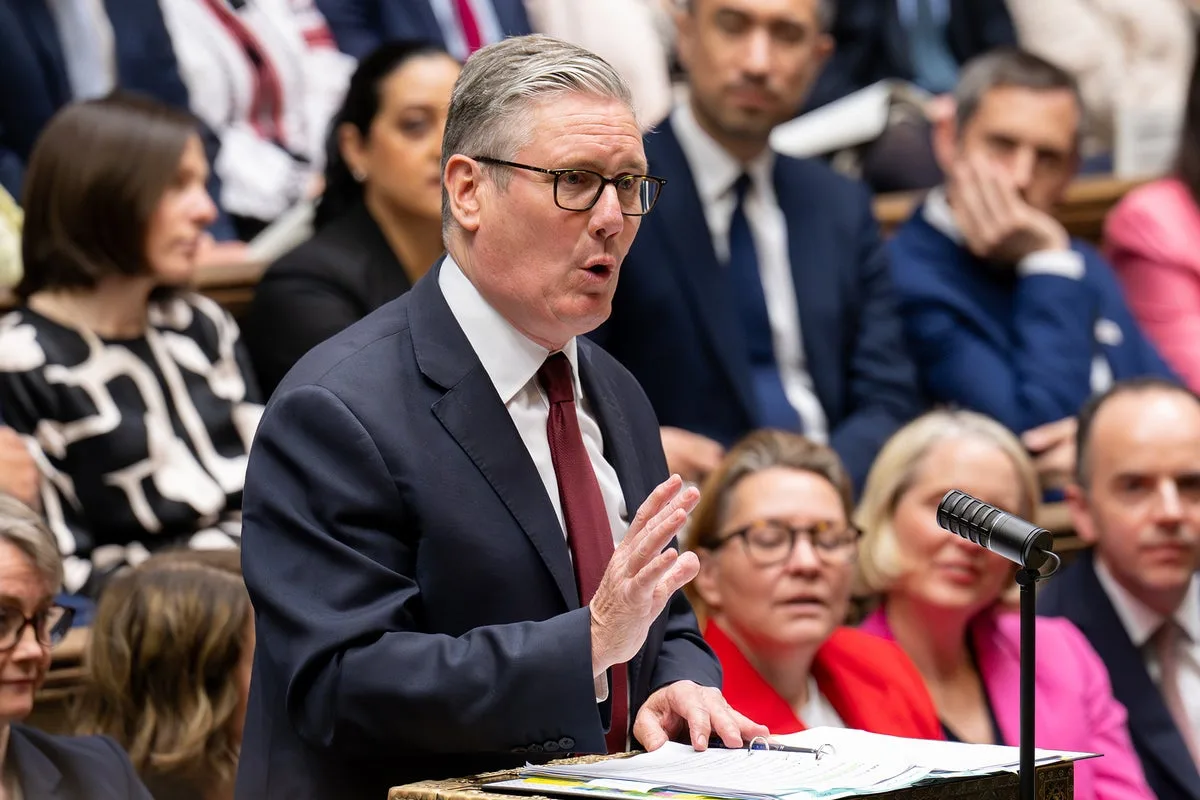
Sir Keir Starmer has been accused of buying “dirty Russian oil” after the UK quietly relaxed sanctions on Moscow, a move critics say will boost Vladimir Putin. The decision has been condemned by senior Labour figures and branded “insane” by Tory leader Kemi Badenoch, who told the prime minister he should be “ashamed” that British money “will be used to fund the killing of Ukrainian soldiers”.
The government previously said it would block Russian oil refined in third countries to “further restrict the flow of funds to the Kremlin”. But, with prices surging due to the Iran war, Sir Keir has shifted his stance and will now allow imports of jet fuel and diesel made from Russian oil and refined elsewhere.
The prime minister insisted during Prime Minister’s Questions that he is not lifting sanctions on Russian oil “in any way whatsoever”. However, Ms Badenoch said: “Labour are giving money to Russia, Reform are taking money from Russia. He is now choosing to buy dirty Russian oil, that money will be used to fund the killing of Ukrainian soldiers. Isn’t he ashamed?”
Ministers have defended the measures as “protecting the UK national interest” with the closure of the Strait of Hormuz and the Middle East crisis causing costs to soar. Senior Labour MP Dame Emily Thornberry, chair of the Foreign Affairs Select Committee, hit out at the decision, saying the people of Ukraine have been “very let down”. Ukrainian MP Oleksiy Goncharenko said the decision puts a “question mark” over the UK’s friendship with Ukraine.
Former defence secretary Grant Shapps told The Independent that the “embarrassing carve-out” was a “direct consequence” of the government’s energy policies. Lord Walney, the former Labour MP who served as Sir Keir’s independent adviser on political violence, said: “It’s completely wrong. It sends the opposite signal to the one the government should be sending.”




