

A deadly rodent virus has claimed three lives aboard a cruise ship, leaving passengers stranded at sea and fearing for their safety. A British national is also in critical condition. The World Health Organisation (WHO) has confirmed six suspected cases of hantavirus on the MV Hondius, which was travelling from Argentina to Cape Verde.
What is Hantavirus?
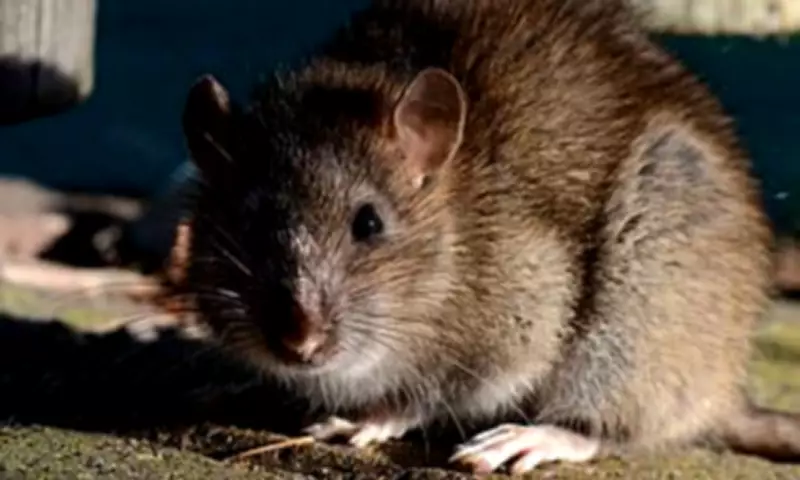
Hantaviruses are a severe strain of respiratory illnesses that typically spread through inhalation of particles from rodent droppings, urine, or saliva. Bites and scratches can also cause infection. Early symptoms include fever, fatigue, muscle aches, headaches, chills, nausea, vomiting, and diarrhoea. After four to ten days, patients may experience shortness of breath, chest tightness, and fluid accumulation in the lungs.
There is no specific treatment for hantavirus; patients receive supportive care such as rest, hydration, and breathing support. The virus can cause two severe illnesses: hantavirus pulmonary syndrome (HPS), which is fatal in about 38% of cases, and haemorrhagic fever with renal syndrome (HFRS), which targets the kidneys and can lead to internal bleeding and acute kidney failure.

Outbreak Details
Among the fatalities, a 70-year-old Dutch man experienced fever, headache, abdominal pain, and diarrhoea before dying. His 69-year-old wife also died after collapsing and being hospitalised. A 69-year-old Briton is being treated in intensive care in Johannesburg. A source close to the case confirmed a provisional toll of three dead, including the Dutch couple.
The WHO has stated that a coordinated international public health response is underway, including laboratory testing and sequencing of the virus to understand transmission and mutations. Discussions are ongoing about whether two sick passengers should be isolated in a Cape Verde hospital.
Passenger Concerns
A letter distributed to passengers from Oceanwide Expeditions, seen by the Daily Mail, informed them that the company is 'awaiting approval' from Cape Verde authorities to disembark. The letter advised passengers to wear face masks, maintain distancing, and minimise contact with fellow guests. One anonymous passenger expressed frustration, stating, 'We have not heard from Oceanwide at all. We still have friends on the ship.'
Global Context
Hantavirus was first identified in South Korea in 1978. Today, there are an estimated 150,000 to 200,000 cases per year, mostly in China. In the UK, cases are very rare, with the first confirmed infection in 2012 linked to wild rats. In the US, around 890 cases were confirmed between 1993 and 2023. The rarity in these countries is partly due to fewer rodent species capable of carrying the virus.
Science writer David Quammen, who anticipated the Covid-19 pandemic, warned that an increase in hantavirus cases could have global implications. He noted that hantaviruses are a global group of viruses, each specific to different rodent types.
Authorities recommend preventive measures such as washing hands after handling rodents, ventilating spaces where droppings may be present, using disinfectant, and wearing protective masks and gloves.






