Idaho Families Sue Over Aggressive Immigration Raid at Horse Racing Track
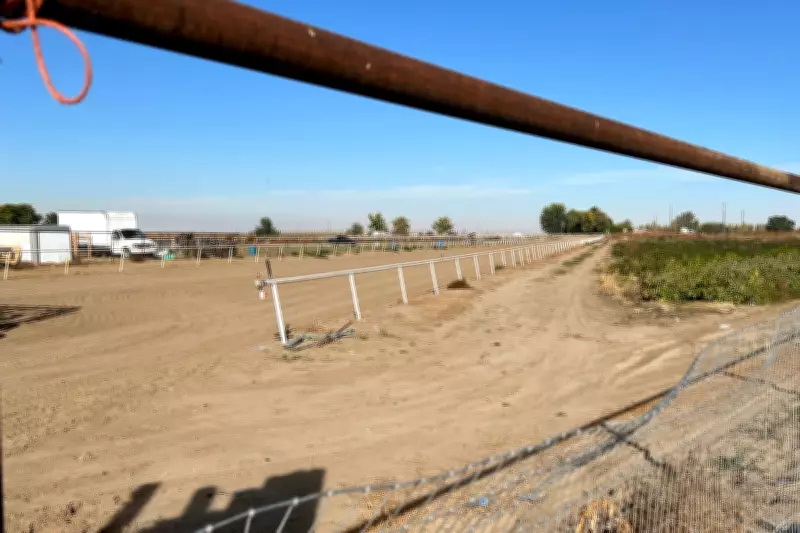
Three Idaho families who are U.S. citizens and lawful permanent residents have filed a lawsuit against state and federal law enforcement agencies following their detention during an aggressive immigration raid at a rural horse racing track last year. The families allege that authorities used unconstitutional and illegal tactics during the operation, which involved detaining approximately 400 people at the privately owned La Catedral race track, located about an hour's drive west of Boise.
Allegations of Unconstitutional Tactics
The lawsuit, supported by the ACLU of Idaho, claims that law enforcement officers conspired to employ tactics that violated constitutional rights. These tactics included detaining individuals based on their Latino appearance, restraining adults and some children with zip ties for hours without access to food, water, or bathrooms, and conducting searches without reasonable suspicion of criminal activity. According to the complaint, some officers used racial epithets against Latinos, and one man was struck in the head with a rifle butt after informing an officer of his citizenship and inability to speak Spanish.
Details of the October Raid
The raid occurred on October 19 as part of an FBI-led investigation into allegations of illegal gambling. However, only five people were arrested in connection with the gambling probe, while over 100 others were detained on suspicion of immigration violations. The ACLU of Idaho described the operation as a "fishing expedition for immigration violations," arguing that the FBI's criminal search warrant for gambling was misused to target immigrants. The event, a popular family-friendly gathering for the local Latino community, featured food vendors and games for children alongside equestrian activities.

During the raid, approximately 200 law enforcement officers from multiple agencies, including U.S. Immigration and Customs Enforcement (ICE), the FBI, Idaho State Police, and local police, swarmed the property. Witnesses reported that officers wore militarized gear and face coverings, pointed guns at frightened families, broke car windows—injuring children seeking shelter from rain—and shot rubber bullets over teenagers' heads. Some detainees were left in zip ties so tight that their skin was cut or their hands went numb, and others were denied bathroom access, forcing them to urinate outside in view of others.
Impact on Families and Legal Context
Juana Rodriguez, a lead plaintiff in the lawsuit, stated that her hands were zip-tied for nearly four hours, preventing her from caring for her 3-year-old son, who cried from hunger and thirst as agents refused to allow her to retrieve snacks from her vehicle. Five families interviewed by The Associated Press confirmed that children as young as 11 were restrained with zip ties and separated from family members for hours. None of the families were questioned about gambling, and all were released after proving their citizenship or lawful permanent resident status.
This case mirrors similar incidents in other states, such as an Alabama construction worker and U.S. citizen who filed a federal lawsuit last year against Trump administration workplace raids targeting industries with large immigrant workforces. Legal challenges alleging racial profiling and unconstitutional detention have seen mixed results in courts. For instance, a federal judge in California previously issued a restraining order barring immigration agents from stopping people based solely on race, language, job, or location, but the Supreme Court lifted that order in a 6-3 ruling in September. Justice Brent Kavanaugh noted in a concurrence that judicial interference could chill lawful enforcement efforts but suggested stops involving force might still face legal challenges.

Response from Authorities and Legal Demands
Following the raid, Homeland Security Department spokeswoman Tricia McLaughlin stated that "ICE dismantled an illegal horse-racing, animal fighting, and a gambling enterprise operation." However, court documents do not mention animal fighting, and the track held a valid horse-racing license. McLaughlin later added that ICE did not restrain or arrest children, contradicting witness accounts. The involved agencies have not immediately responded to requests for comment.
The families seek to have the lawsuit certified as a class action on behalf of other legal residents detained during the raid. They demand a federal judge declare that the law enforcement agencies violated federal law and constitutional rights, and they request compensation for damages to be proven at trial. This case highlights ongoing debates over immigration enforcement tactics and the protection of civil liberties in the United States.