Haitians in Mexico Seek Stability Amid Broken Immigration Systems
Funding cuts, US political pressure, and bureaucratic delays have left thousands of Haitians facing prolonged uncertainty in Tapachula, Mexico. As migrants flee gang violence and instability in Haiti, they encounter a tangled web of dysfunctional immigration systems involving Mexico, the US, and the UN, with few smooth paths forward.
Jean Baptiste Gensley's Journey to Tapachula
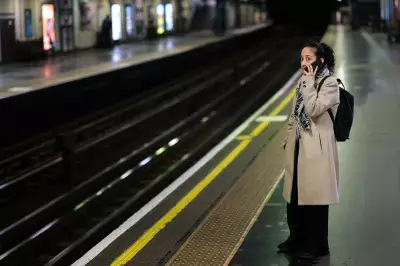
A year ago, Jean Baptiste Gensley, a 37-year-old former radio journalist and social worker from Haiti, arrived in Tapachula with a small backpack and hopes for a new start. In Port-au-Prince, his research on gang violence drew dangerous attention, leading to an attack where gang members burned his home and radio station in November 2024. After escaping, he left his wife and son in the Dominican Republic and traveled through Ecuador and El Salvador before crossing into Mexico.
"I had no money left. All my funds were spent during the journey," Gensley said. Initially aiming for the US, he chose Mexico due to hardening US immigration policies under Joe Biden and Donald Trump. Four days after arrival, he applied for asylum at the Mexican commission for refugee assistance (Comar), expecting a work permit and residence rights, but months passed without progress, leaving him in limbo.

US Influence and Funding Cuts Strain Mexican Asylum Infrastructure
Mexico's immigration system is heavily shaped by US pressure. Since returning to office, Trump has used tariff threats to challenge Mexican border policies, including a 25% tariff in February 2025 that was later reversed. Cuts to US funding for international aid have further strained Mexico's asylum infrastructure. In 2025, the Trump administration slashed funding to the UN, forcing the UN high commissioner for refugees (UNHCR) to suspend financial support for Comar.
Previously, the US provided over 86% of UNHCR's funding in Mexico, and Comar relied on the UN for about 60% of its budget. The cuts have brought the asylum system to a near-standstill, with Comar struggling to process applications. "Before President Trump, UNHCR gave help, not for everyone, but they helped. Now, with President Trump, UNHCR helps almost nobody," Gensley noted.
Delays and Challenges for Haitian Asylum Seekers
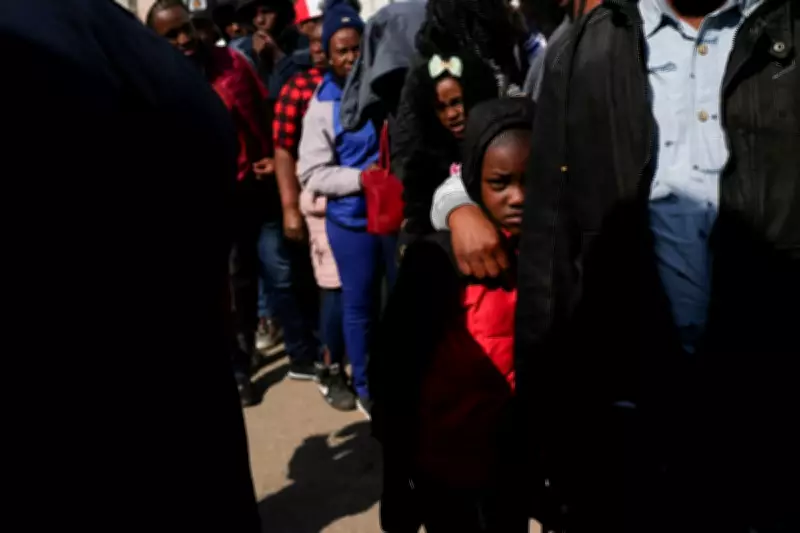
Haitians, who make up the largest group of non-Spanish speakers entering Mexico, face significant delays due to a lack of interpreters. Comar had to let go of many workers, including interpreters, because of funding cuts, lengthening the asylum process. By law, it should take 45 to 90 days, but many Haitians report waits exceeding nine months, like Gensley, who finally received approval after nine months.
Jesús Zamarrón, an immigration lawyer in Tapachula, said Mexican authorities enforce US priorities under tariff threats, using cities like Tapachula as an extension of the US border. "As a law firm, we have experienced delays in the immigration regularization processes for Haitian and Cuban populations. Especially with the Haitian population, due to a lack of interpreters," he explained.
Low Approval Rates and Community Support
Between 2021 and 2023, only 4.6% of Haitian asylum applications were approved by Comar, according to a human rights coalition report. Despite this, Haitian communities in Mexico provide support. In Tapachula, newcomers find comfort in shared experiences, with figures like David Corrielan using social media to guide Haitians. In Tijuana, a substantial Haitian diaspora has built roots, with Vivianne Petit Frére running a restaurant and helping others navigate life in Mexico.
"What they're looking for isn't necessarily the United States. It's stability, whether economic or moral – whatever makes them feel good," Petit Frére said. Gensley, now approved for asylum, hopes to move to Tijuana for better job prospects and reunite with his family, but uncertainty remains. "I don't know if things will get better now that I have my documents. I have to remain patient. That's it," he concluded.