
A Libyan doctor providing vital care to approximately 1,000 patients in southwestern Indiana faces an uncertain future as his green card renewal remains stalled due to a policy implemented by the Trump administration. Dr. Faysal Alghoula, a pulmonologist and intensive care unit specialist, serves a predominantly rural population across parts of Indiana, Illinois, and Kentucky, and his current visa is set to expire in September if his application is denied.
However, a recent, quietly introduced exemption for medical doctors with pending visa or green card applications offers a glimmer of hope for Alghoula and others in similar situations. This policy shift, which could allow his case to proceed, follows months of advocacy from physicians' organisations and immigration attorneys. They have consistently highlighted widespread doctor shortages and the significant role foreign-trained medical professionals play, particularly in underserved areas, according to the National Library of Medicine.
Despite the new exemption, both applicants and immigration attorneys express uncertainty regarding its practical effect. While the change means doctors' cases can now be reviewed, it does not guarantee the renewal of their green cards or visas. Furthermore, concerns remain over whether US Citizenship and Immigration Services will be able to process these applications swiftly enough to meet crucial immigration deadlines, such as Dr. Alghoula's. Alghoula said he doesn't trust the administration will approve him due to numerous stories about immigrants being detained at appointments to renew their paperwork like the one he has next month. “I’m still scared to go to my interview,” said Alghoula, who has lived in the US since 2016.
Meanwhile, the pause remains in effect for thousands of others including researchers and entrepreneurs from 39 countries including Iran, Afghanistan and Venezuela. While they’re on hold, many can’t legally work, get health insurance or a driver’s license. If they leave the US, they won't be let back in. The Trump administration decided last year to stop reviewing green card and visa applications for people from a list of countries deemed high-risk, and this year stopped reviewing visa applications for citizens of more than 75 countries over concerns they would seek public assistance.
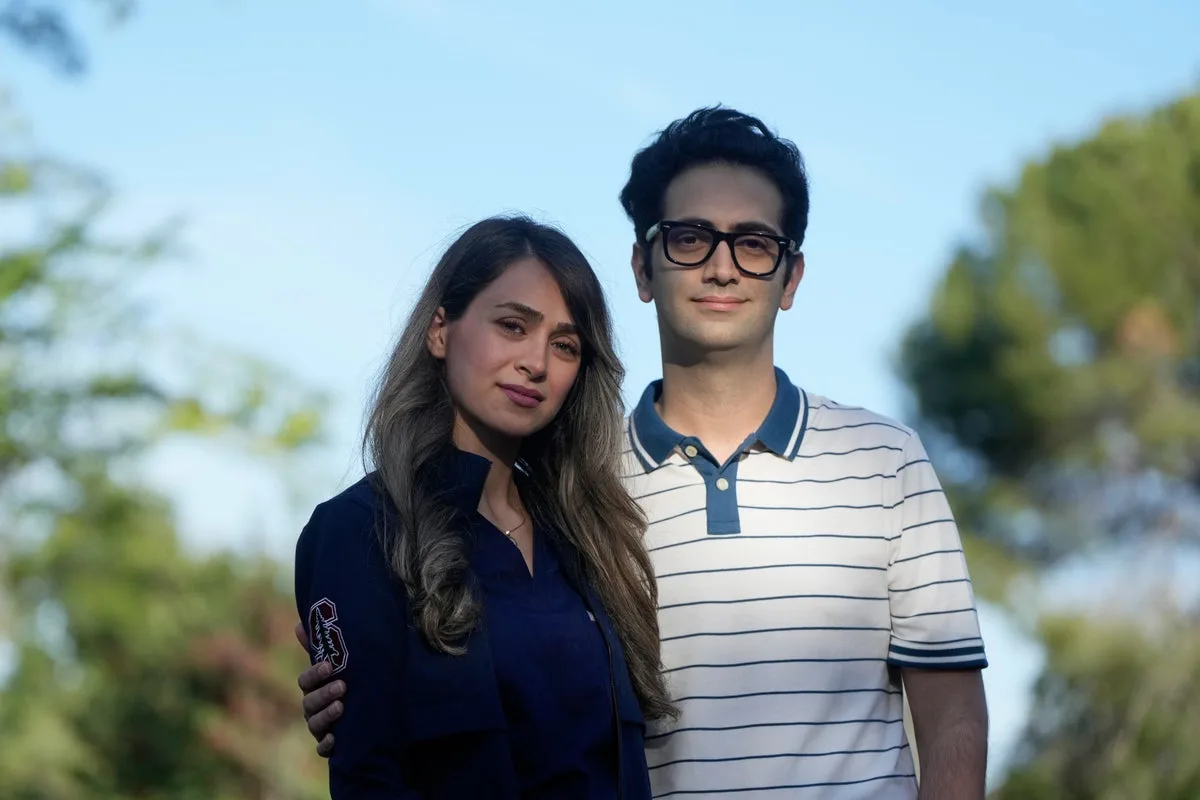
Before the exemption, many immigrants filed federal lawsuits demanding the government issue decisions on their cases. One of them was Iranian Dr. Zahra Shokri Varniab, who came to the United States three years ago to conduct radiology research. She was waiting for a green card to attend a residency programme but her application got stuck in the pause. She filed a lawsuit demanding an answer to her application, and a federal judge ordered immigration officials to review her case. They did — and denied her. The 33-year-old doctor said she believes it was in retaliation for her lawsuit. In court filings, US government lawyers wrote that Shokri Varniab's application contained inconsistencies about whether she plans to become a practising doctor or researcher. She said she plans to do both. She said the exemption doesn't appear to apply to her.




