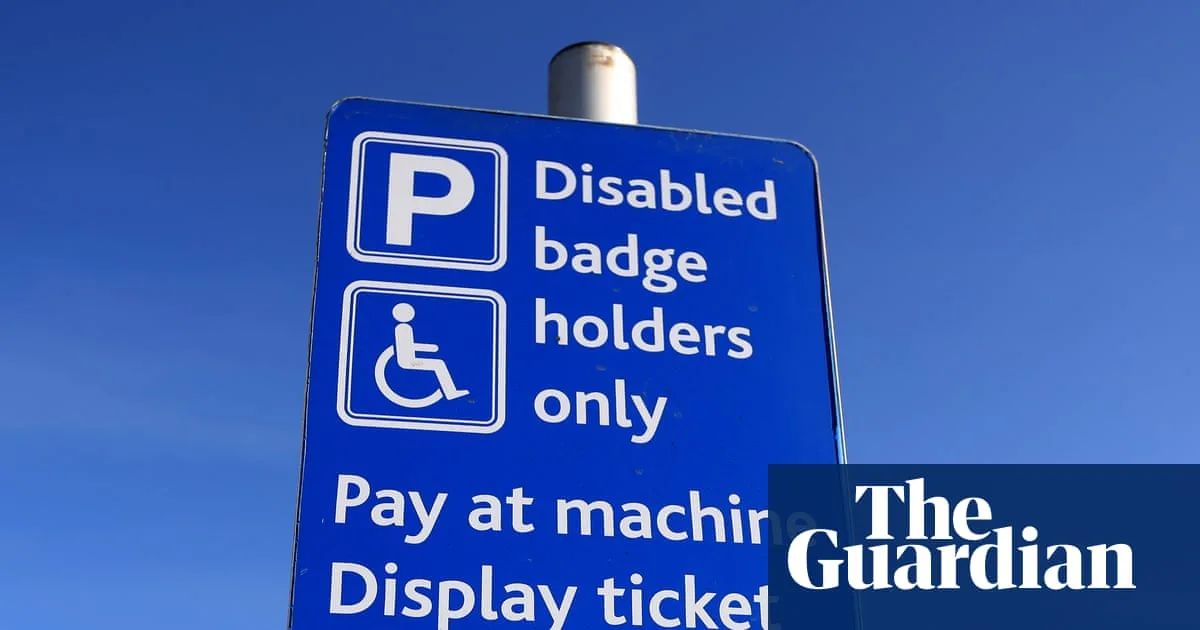
Councils in England have been urged to crack down on the misuse of blue badge parking permits, as the proportion of people holding them reaches one in 15 adults. The AA has called for more to be done to detect offences such as the use of fake or stolen badges.
Department for Transport data shows that 3.07 million blue badges were held as of 31 March last year, representing over 6% of the estimated 46 million adults in England. The permits, which must be renewed every three years, help people with disabilities or health conditions to park closer to shops and services.
Edmund King, the AA’s president, said: “The blue badge scheme is a mobility lifeline for millions of legitimate users and their families. Our concern is not the absolute number of badges issued but the estimates that up to one in five badges may be used by someone other than the holder or authorised user.”
Fraud includes family misuse, use after death, counterfeit badges, and theft and resale of badges. The National Fraud Authority estimated the cost of blue badge fraud at £46 million per year in 2011. Several councils have reported prosecutions, including Croydon council, which fined seven offenders a total of nearly £6,000, and Oxfordshire county council, which convicted a man using his dead grandmother’s badge.
A Local Government Association spokesperson said: “Although the vast majority of badges are used correctly, there is a small minority who fraudulently use other people’s, either to save money by parking in disabled bays or through laziness, depriving someone with a genuine need.”
A Department for Transport spokesperson added: “Exploitation and abuse of the blue badge scheme is completely unacceptable and is a criminal offence. Local authorities have been given improved powers to crack down on fraud and misuse in their area, and work closely with the police.”