
As many as 200,000 children adopted from overseas are at risk of detention or deportation by the Trump administration because they never received US citizenship, lawyers have warned. Over the past 80 years, American parents have adopted more than 500,000 children from abroad, but some never obtained citizenship for their children, leaving tens of thousands with no legal status despite having spent almost their entire lives in the US.
Minnesota-based family law attorney Mónica Dooner Lindgren told The New York Times that many adoptees have never questioned their legal status. 'The Department of State website says that a US valid passport is sufficient to prove citizenship, but that is not preventing agents from detaining adoptees,' she said. She added that the administration's enforcement surge in Minnesota, which has one of the highest rates of international adoption, had been targeting 'all people of color' without discrimination.
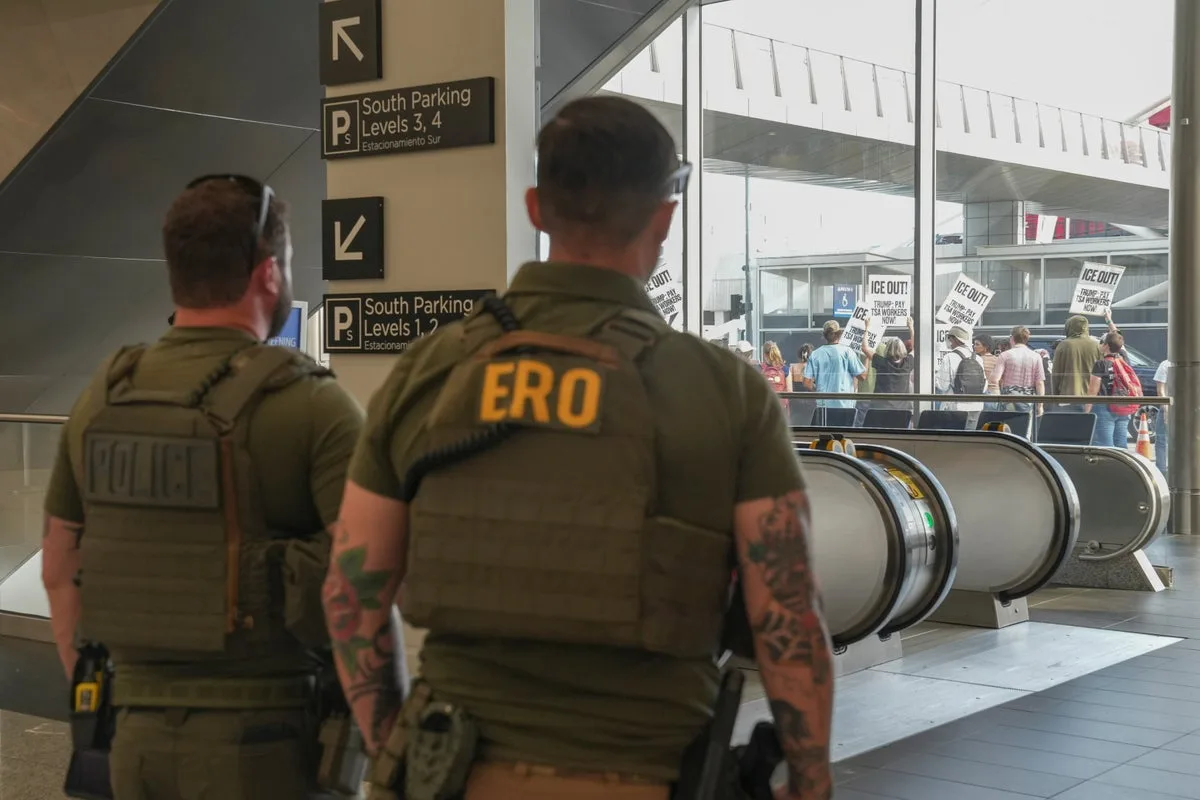
The issue comes amid a broader crackdown by Immigration and Customs Enforcement (ICE) agents deployed to more than a dozen airports. Democrats have refused to back further funding for the Department of Homeland Security unless agents are barred from wearing masks and conducting warrantless home raids. Federal judges have ruled more than 7,000 times that immigration agents illegally detained someone, often without government lawyers offering a counter-argument.
Gregory Luce, an immigration lawyer and executive director of the non-profit Adoptees United, estimates that around 200,000 foreign-born adoptees grew up without US citizenship, often discovering their status only when applying for a passport or Social Security benefits. A 2001 law granting automatic citizenship to adoptees under 18 left out up to 75,000 who were older at the time.
A bipartisan bill, the Protect Adoptees and American Families Act, which would grant automatic citizenship to all international adoptees, was introduced in the US House of Representatives in September, but its passage remains uncertain. Luce noted that many adoptees without citizenship are afraid to apply, fearing that doing so could draw attention from immigration authorities. 'Naturalization in this environment is much harder and much riskier,' he said.




