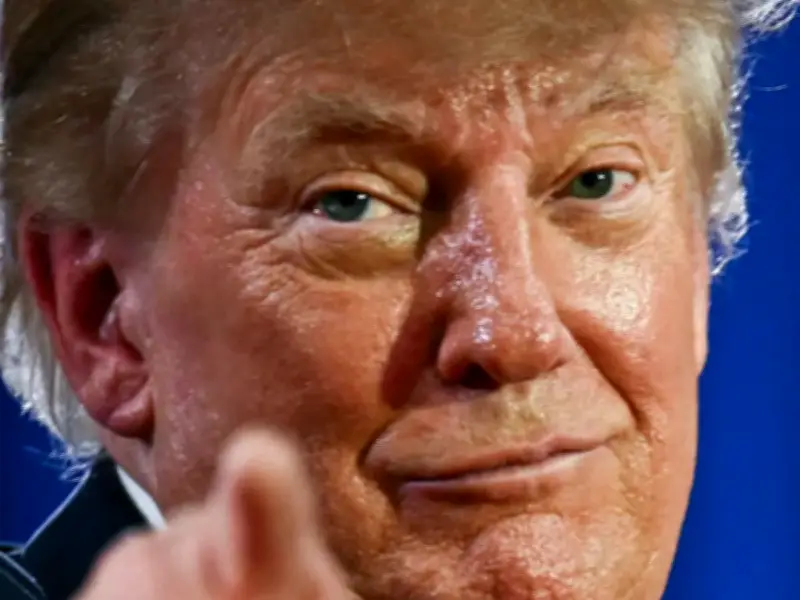
Donald Trump is expected to dispute the outcome of Tuesday's US midterm elections, repeating the tactics he used after his 2020 defeat, as Republicans brace for heavy losses. Concerns are mounting over potential voter purges, troop deployments at polling stations, and efforts to challenge certification in narrow races.
Trump's history of contesting results
In 2020, Trump laid the groundwork for contesting his loss to Joe Biden months before the vote, suggesting postal votes were prone to fraud. On election night, as counts swung toward Democrats, he declared victory at the White House and refused to concede even after every state and news outlet confirmed the result. His team pursued lawsuits in a failed bid to overturn the outcome, culminating in the January 6, 2021 attack on the US Capitol, which Trump encouraged to prevent certification of electoral votes.
There is no reason to suspect the midterms will prompt a different response from Trump, according to the report. Republicans have spent over a year trying to influence the result, with GOP lawmakers in swing states redrawing electoral maps and eroding voting rights protections.
Voter purge battles and legal defeats
US elections are handled at the state level, with minimal federal involvement. However, the Department of Justice (DoJ) has demanded states hand over their electoral rolls to purge "noncitizens" - defined as people the Department for Homeland Security thinks might be noncitizens. So far, every time the DoJ has demanded a state remove tens of thousands of names, all but a handful turned out to be legitimate voters. The DoJ has faced a string of legal defeats in this effort, and it is now too late to stop people voting this time.
The DoJ is still locked in a court battle in California, seeking to set aside votes from people flagged in the purge so they can be removed from the tally later.
Troops, poll watchers, and intimidation fears
Trump has said he regretted not using the National Guard to seize voting machines after 2020, raising concerns they might be deployed this time. He has been coy about whether he would invoke the Insurrection Act to deploy troops to patrol polling places or seize ballot boxes. People are concerned ICE agents could appear near polling stations to intimidate voters and reduce turnout in Democrat-leaning areas.
The US has joined Russia and Belarus in declining to invite international poll observers for this election, while the DoJ will send its own poll watchers to look for - or, some fear, concoct - irregularities.
Ballot stacking and the 'red mirage'
Trump has been paving the way to deny the result for months, calling the California primary "rigged" and falsely claiming postal votes are vulnerable to fraud. In Alaska, an independent candidate Daniel S Sullivan Jr is running with a similar name to Republican incumbent Dan Sullivan, allegedly encouraged by a Democrat-aligned group. Senate candidate Mary Peltola has denied involvement, but Trump has demanded she be "removed from the ballot and prosecuted".
So-called "ballot stacking" - where rival campaigns support spoiler candidates - is not illegal and is widely practiced by both parties. In Ohio, Trump's operation is supporting a socialist candidate to pull votes from the Democrat, and in Nevada, GOP-aligned groups back a candidate with the same last name as the Democrat. Trump has called on courts to block certification if Republicans lose by a small margin, and lawsuits are expected in any state with a narrow Democratic victory.
The key signal on election night will be the "red mirage" - when early results favor Republicans but later counts shift to Democrats. Trump sees this as evidence of fraud, but it actually reflects that postal ballots skew Democratic, are counted last, and can take days to tally fully. If he cries foul, that is how he will do it.