Spain's socialist prime minister, Pedro Sánchez, has called a snap general election for 29 November, three days after rightwing parties voted down the emergency legislation his minority government had proposed in response to growing public anger over the country's housing crisis.
Sánchez, in office since 2018, announced the decision in a televised address on Monday. The next general election had been due before the end of next summer.
Prime minister defends record
In his address, Sánchez defended his government's social, environmental and humanitarian record, admitted it had made mistakes, and said it was time to let the Spanish people have their say.
“It's up to you now,” he said, describing the current era as one of transformation, climate emergency, and social and technological change, including advances in artificial intelligence. He said the Spanish people must decide what role they wish to play in this era, and what role they want Spain to play as well.
Political context
Sánchez's minority coalition government with the leftwing Sumar alliance has faced a turbulent time in parliament since he secured his return to office by striking a deal with Catalan pro-independence parties after the inconclusive snap election he called three years ago. The government has been unable to pass a budget since 2023, faced corruption allegations involving his party and inner circle, and endured pressure over its handling of the mass crossing into Spain's north African enclave of Ceuta over the summer.
Sánchez repeated his assertion that the choice was between his progressive government and a Spanish right that would curtail freedoms and roll back advances. He said the Spanish people must decide whether to join the far-right wave that rolls back progress wherever it governs, or to ensure Spain remains a bastion of openness, social justice, and environmental responsibility.
Housing crisis and reaction
The government's housing measures, including a ban on evictions until 2030 and regulation of temporary lettings, were voted down in congress on Friday by the conservative People's party (PP), the far-right Vox party, and the rightwing Catalan pro-independence party Junts. The PP, which leads in polls but may need Vox's support to form a national government, said it believed construction, not regulation, was the best way to tackle the crisis.
The votes were met with boos and cries of “Shame” and “Your profits, our misery” from crowds outside congress. The PP welcomed the snap election, with leader Alberto Núñez Feijóo saying, “At last, the Spanish people will decide. This isn't an election like previous ones. This is about Spain beating Sánchez.” Vox leader Santiago Abascal said his party would fight to ensure Spaniards are not discriminated against in their own homeland on housing and benefits, and focus on “remigration” to reverse what he called “the migrant invasion”.
Housing protests
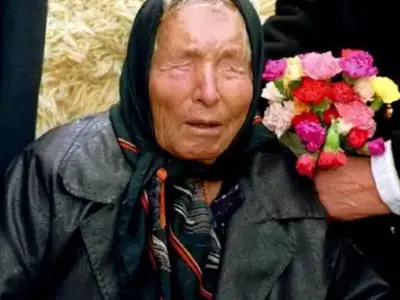
Fury over high rents and precarious tenancies exploded after the eviction of Maricarmen Abascal, an 87-year-old woman removed from her Madrid home of 70 years, who said she could not afford the 230% rent hike demanded by the investment fund that bought her apartment. Tens of thousands protested, and a tent camp reminiscent of the 2011 indignados movement appeared in Madrid's Puerta del Sol square. Over the weekend, authorities said 70,000 people took part in a protest in Madrid on Saturday, while organisers put the figure at 500,000.
Sánchez will be hoping the focus on housing, and the right's rejection of his plans, will mobilise voters. The housing issue has also deflected attention from the government's handling of the crisis in Ceuta, sparked when about 70,000 people crossed into the territory from Morocco in 48 hours. Sánchez's brother, David Sánchez, was banned from public office for nine years in July for administrative misconduct, and his wife, Begoña Gómez, is due to face trial on charges of embezzlement, influence peddling, corruption in business dealings and misappropriation of funds. Both have denied wrongdoing, and Sánchez has accused his political and media enemies of launching a “harassment and bullying operation” against his family.