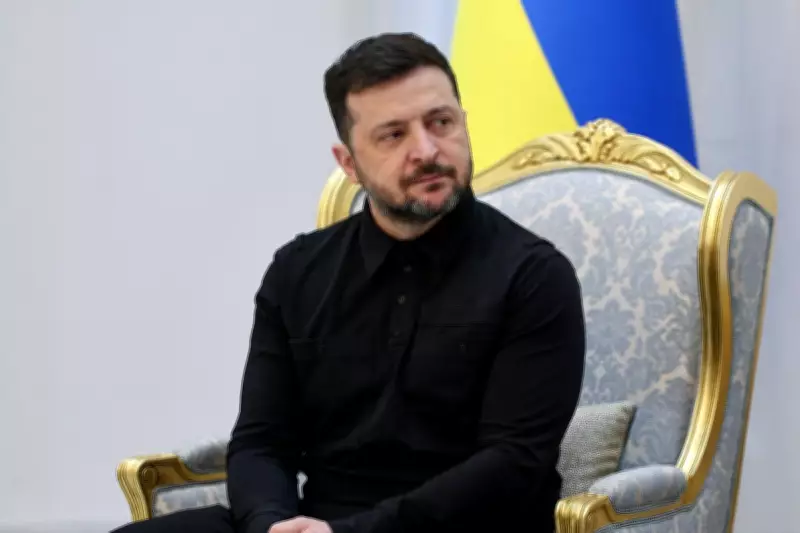
In a significant diplomatic overture, Ukrainian President Volodymyr Zelensky has extended a new offer for a temporary ceasefire on strikes against energy infrastructure, timed for the upcoming Orthodox Easter period. This proposal was communicated through the United States, highlighting ongoing efforts to de-escalate hostilities amid the brutal conflict.
Shifting Battlefield Dynamics
Former CIA director David Petraeus has asserted that Russian forces have lost the upper hand in the Ukraine war. According to Petraeus, Ukrainian forces have effectively halted Russian advances despite Russia's numerical and resource advantages, marking a pivotal turn in the conflict's trajectory.
Military Developments and Attacks
Ukrainian drones continued their offensive operations, targeting Russian oil terminals in the Black Sea. In a separate incident, Ukrainian forces reportedly utilized British-supplied drones to destroy a key bridge in the Kherson region, disrupting Russian logistical lines.

Russia confirmed the deaths of 16 Cameroonian 'military contractors' who were fighting in Ukraine, underscoring the international dimension of the conflict and the involvement of foreign combatants.
Diplomatic Engagements and Intelligence Assessments
Hungarian Prime Minister Viktor Orban discussed the Ukraine war with US Vice President JD Vance, reaffirming Hungary's continued reliance on Russian energy sources. This dialogue highlights the complex geopolitical alignments and energy dependencies influencing European responses to the war.
A Ukrainian intelligence assessment revealed that Russian satellites have been surveying military facilities across the Middle East. This surveillance is believed to aid Iran in targeting US forces and other sites, suggesting potential collaboration between Russian and Iranian cyber actors, which could escalate regional tensions.
Broader Context and Implications
The proposal for an Easter truce on energy strikes comes as both sides grapple with the humanitarian and strategic costs of the war. Zelensky's offer aims to provide a brief respite, particularly for civilian infrastructure, during a significant religious holiday.
Petraeus's analysis indicates that Ukrainian resilience and tactical successes have shifted the momentum, challenging earlier assumptions about Russian dominance. This assessment aligns with ongoing reports of Ukrainian counteroffensives and defensive successes.
The use of advanced drones, including British models, demonstrates Ukraine's evolving military capabilities and international support. Meanwhile, the involvement of foreign fighters and intelligence activities points to the war's expanding global ramifications.
As diplomatic efforts continue, the interplay between military actions, energy politics, and cyber operations will likely shape the conflict's future course, with implications for regional stability and international relations.