Wireless Festival Cancelled Amid Kanye West Backlash
The decision to cancel Wireless Festival following the backlash over Kanye West headlining is widely seen as the correct move, though it presents a significant learning opportunity for the industry. This cancellation marks a pivotal moment that could reshape how festivals approach booking controversial artists in the future.
Controversial Booking Sparks Outrage
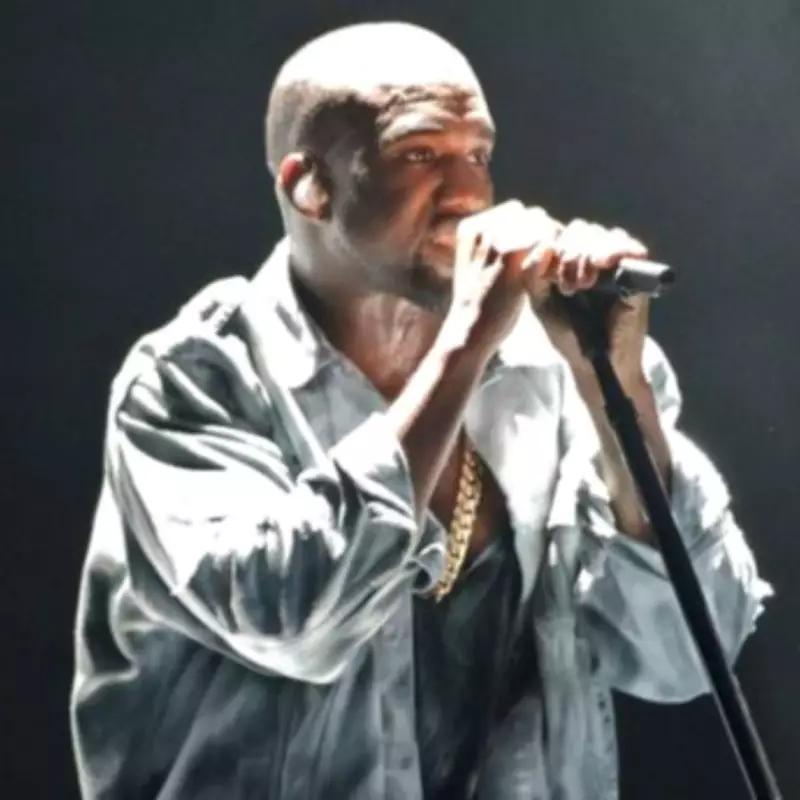
Wireless Festival, managed by Festival Republic, faced intense criticism after announcing Kanye West as the headline act for all three days. West, once celebrated as one of the biggest musicians globally, has become a highly controversial figure due to his past statements and actions. These include openly praising Adolf Hitler, releasing a song titled Heil Hitler, denying the Holocaust, and making inflammatory remarks about the Jewish community and his ex-wife Kim Kardashian.
Despite issuing apologies, including a full-page advert in the Wall Street Journal, many argue that his actions are unforgivable. The festival's intention was likely to celebrate his older music, but the decision ignored the broader implications of platforming someone with such abhorrent views.

Government Intervention and Public Reaction
The Home Office blocked West's Electronic Travel Authorisation, preventing him from entering the UK. This move has been both celebrated and criticised, but it underscores the UK's commitment to inclusivity and rejecting hate speech. Festival boss Melvin Benn attempted to mitigate concerns by stating that West would only perform radio-aired songs, not espouse personal opinions, but this assurance proved insufficient.
Public outcry grew as major sponsors pulled out, highlighting the financial and ethical risks of associating with controversial figures. In response, Festival Republic announced the cancellation, citing antisemitism as abhorrent and acknowledging the personal impact of these issues.
Learning Curve for the Festival Industry
This incident serves as a stark reminder that festivals must carefully consider the values and messages they promote. Wireless Festival has a strong track record of booking top artists like Rihanna, Drake, and Jay-Z, and it is expected to recover from this setback. The cancellation will likely lead to more rigorous vetting processes for future bookings, ensuring that events align with principles of unity and respect.
Comparisons to other festivals, such as Reading and Leeds, which feature diverse line-ups without controversy, illustrate how successful events can thrive by focusing on community and positive messaging. The entertainment industry must balance artistic freedom with social responsibility, and this case may prompt broader changes in how artists are selected for major platforms.
Moving Forward with Caution
While Kanye West expressed a desire to promote unity and meet with the Jewish community in the UK, actions speak louder than words. The cancellation of Wireless Festival demonstrates that tolerance for hate speech is diminishing, and festivals must adapt to this new reality. This event will undoubtedly influence future decisions, encouraging a more thoughtful approach to headline acts that prioritise inclusivity over controversy.