
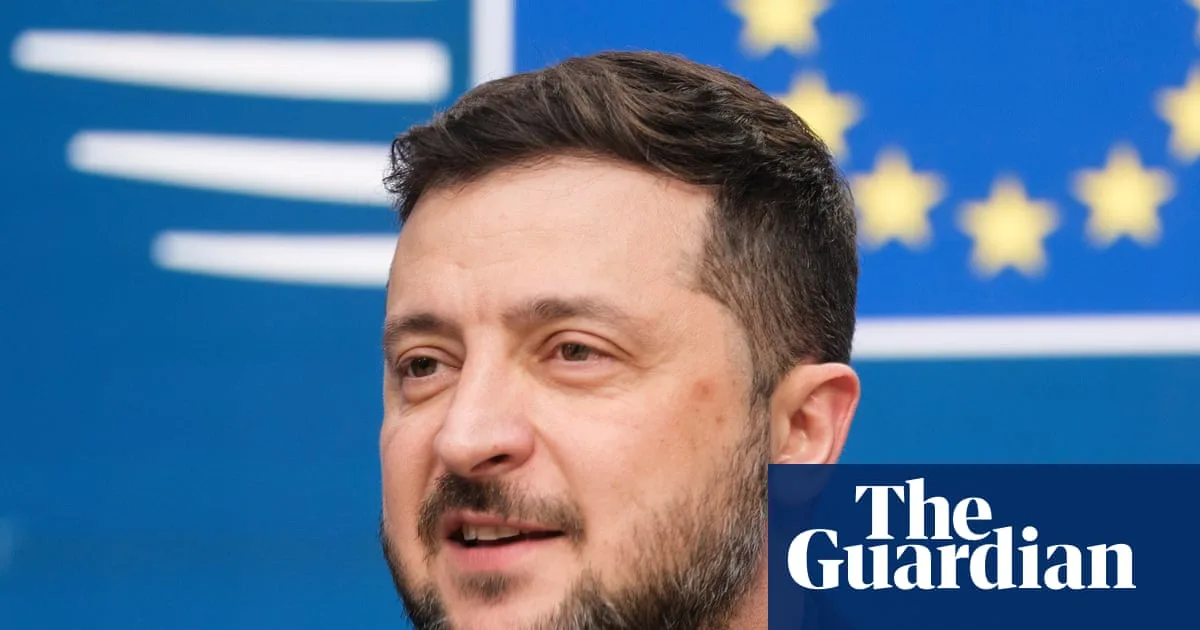
European Union leaders have failed to reach an agreement on using Russia's frozen assets to fund Ukraine's defence, despite a plea from President Volodymyr Zelenskyy to take swift action. At a summit in Brussels, hopes of approving a new funding mechanism were dashed following opposition from Belgium, which hosts most of the immobilised Russian central bank funds at the clearing house Euroclear.
Instead of a concrete decision, EU leaders merely asked the European Commission to present “options for financial support” for Ukraine, without direct reference to the frozen assets. Earlier drafts had called for the “possible gradual use of the cash balances” from the immobilised assets. European Council President António Costa stated after the talks that the EU is committed to addressing Ukraine's pressing financial needs for the next two years, including military and defence support.
European Commission President Ursula von der Leyen insisted there was agreement on the principle of a reparation loan. “We agreed on the what – that is the reparation loan – and we have to work on the how – how we make it possible,” she said. The plan would use the €183bn of Russian central bank assets held at Euroclear as the basis for a €140bn (£122bn) loan to Ukraine, to be repaid only after Russia pays compensation for the war.
Belgian Prime Minister Bart De Wever opposed the plan without guarantees that the rest of the EU would cover the cost if Russia retaliated. “If you want to do this, we will have to do it all together. We want guarantees if the money has to be paid back that every member state will chip in. The consequences cannot only be for Belgium,” he said. EU leaders offered a promise of “burden sharing and coordination” with the G7, but it was insufficient to secure agreement.
The issue will be revisited at another EU summit in December. Meanwhile, the Kremlin has labelled the scheme as theft and vowed to pursue any individual or country involved. Hungary's Russia-friendly government, which has previously delayed EU sanctions, poses a further challenge to the plan's implementation.




