US Vice President JD Vance Issues Stern Warning to Iran Over Fragile Ceasefire
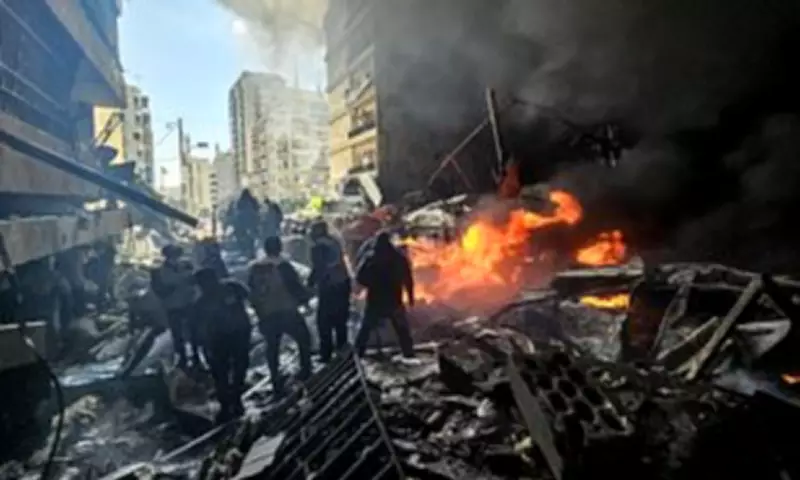
US Vice President JD Vance has delivered a blunt warning to Iran, stating it would be "dumb" to abandon the fragile ceasefire agreement. This caution comes in the wake of Israel's massive blitz attack against Lebanon, which has resulted in nearly 200 fatalities and close to 900 injuries, overwhelming the nation's already beleaguered healthcare system.
Ceasefire Announcement and Immediate Breach
The world breathed a collective sigh of relief on Monday night when former President Donald Trump announced an 11th-hour temporary ceasefire between the United States and Iran, suggesting the Middle East conflict might finally be drawing to a close. However, just hours after this announcement, Israel declared that Lebanon was not included in the deal and initiated a devastating strikes campaign across the country.
The scale of the Israeli assault has been described as "horrific" by UN rights chief Volker Turk, with strikes in the capital Beirut triggering widespread panic. "People started running left and right, and smoke was billowing," recounted Ali Younes, an eyewitness near one of the targeted areas. Lebanon has since declared a national day of mourning, with local officials reporting over 1,700 deaths since Israel's airstrikes and ground invasion began last month.

Iran's Threat and Vance's Response
In response to the attacks, Iran's Foreign Minister Abbas Araghchi issued a stark warning, threatening Tehran's withdrawal from the ceasefire. In a formal statement, he declared: "The Iran-US Ceasefire terms are clear and explicit: the US must choose – ceasefire or continued war via Israel. It cannot have both."
Vance, speaking to reporters as he departed Hungary, countered this threat with a firm stance. "If Iran wants to let this negotiation fall apart – in a conflict where they were getting hammered – over Lebanon, which has nothing to do with them and which the United States never once said was part of the ceasefire, that’s ultimately their choice," he stated. He emphasised that abandoning the deal would be a foolish move for Iran, given their disadvantaged position in the ongoing conflict.
International Reactions and Diplomatic Pressures
The crisis has drawn significant international attention, with France stepping into the diplomatic fray. French Foreign Minister Jean-Noel Barrot asserted today that the US-Iran ceasefire must also encompass military actions in Lebanon, condemning Israel's "massive" strikes. Barrot outlined expectations for Iran to make substantial concessions in upcoming peace talks scheduled in Pakistan, including renouncing nuclear weapons, ceasing missile and drone threats in the region, and ending support for destabilising groups like Hezbollah, Hamas, and the Houthis. Additionally, he called for Iran to open traffic in the strategically vital Strait of Hormuz.
This development underscores the complex and volatile nature of Middle East diplomacy, where regional alliances and international interventions continually reshape the conflict landscape. The situation remains fluid, with global powers closely monitoring Iran's next moves and the potential for further escalation.