The United States has announced a significant new round of sanctions targeting 14 individuals and companies accused of assisting Iran in acquiring weapons and related components. This move comes amid heightened geopolitical tensions and ongoing diplomatic efforts between the two nations.
Targeted Entities and Their Roles
The sanctioned entities are based in Iran, Turkey, and the United Arab Emirates. According to the US Treasury Department, these firms were actively involved in procuring or transporting weapons and critical components for Iran's military programs. The sanctions aim to financially isolate these actors, cutting off their access to the global financial system and disrupting supply chains.
Disrupting Iran's Ballistic Missile Inventory
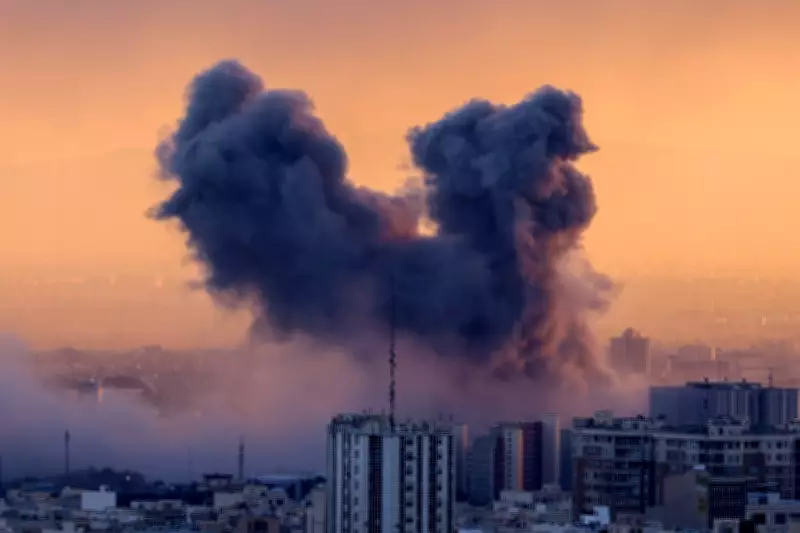
A primary objective of these sanctions is to hinder Iran's efforts to rebuild its ballistic missile inventory. This initiative follows previous US-Israeli attacks that targeted Iran's missile capabilities. The US Treasury has stated that Iran is attempting to reconstitute its missile production capacity, which poses a direct threat to regional stability and international security.

Increased Use of Unmanned Aerial Vehicles
Iran has been increasingly utilising Shahed-series unmanned aerial vehicles (UAVs) to conduct operations against the United States and its allies. These drones have been deployed to target regional energy infrastructure, among other strategic assets. The sanctions are designed to curb Iran's ability to sustain and expand such aggressive activities.
Diplomatic Context and Future Implications
Former President Donald Trump has expressed optimism about reaching a "great deal" through ongoing talks with Iran. However, he has also warned that the US is prepared to resume bombing campaigns if discussions do not progress favourably. Tehran, on the other hand, has demanded an end to the blockade as a precondition for striking any deal, highlighting the complex and fragile nature of the negotiations.
The imposition of these sanctions underscores the US's dual strategy of applying economic pressure while engaging in diplomacy. It reflects a broader effort to counter Iran's military advancements and ensure compliance with international norms. As tensions persist, the global community watches closely, anticipating potential shifts in the geopolitical landscape of the Middle East.