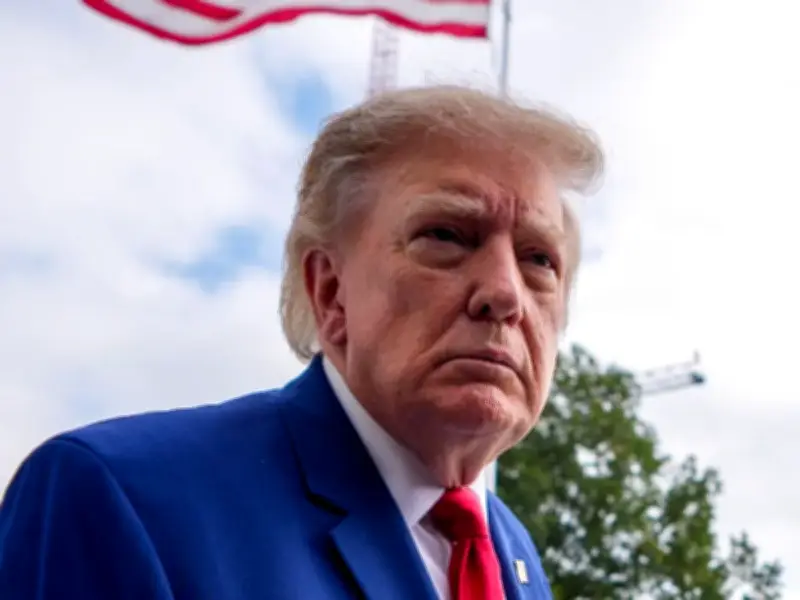
The US-Iran conflict is at risk of exploding again, with President Donald Trump continuing to escalate rather than pursue a peace deal. Analysts argue that a negotiated settlement is the most sensible outcome, but Trump's refusal to acknowledge US losses keeps tensions high.
Trump's Escalation Strategy
Trump is likely to keep increasing stakes, gambling with lives and threatening more war, unless his power to do so is removed. Iran has outplayed him at every turn, enduring billions of pounds worth of airstrikes while its regime sacrifices its own people.
Tehran's willingness to withstand attacks grows with each US action, making surrender unlikely. The regime has shown it can tolerate massive casualties, as seen in its crackdown on demonstrators.
Iran's Proxy Network and Regional Threats
Iran is poised to escalate if attacked, deploying proxy forces including the Yemeni Houthis, Iraqi Shia militias, and the depleted Hezbollah. The Islamic Revolutionary Guard Corps controls the Strait of Hormuz, threatening merchant shipping, while Houthis choke the Bab al-Mandab Strait.
US Defense Secretary Pete Hegseth's claims of victory have been repeatedly questioned by lawmakers, given Iran's continued regional dominance and ability to attack US bases.
Russian Intelligence and US Base Attacks
Moscow is widely believed to share location intelligence of US bases with Iran, leading to attacks on US installations. In March, Iranian missiles hit Prince Sultan Air Base in Saudi Arabia, wounding twelve US troops and damaging an E-3 AWACS radar plane. Two days prior, fourteen Russian spy satellites passed over the base, and US officials concluded Moscow's information enabled the precision strike.
Putin's actions are increasingly overt, mocking Trump's diplomacy. The tension across the Middle East is likely to increase, and any escalation is expected to involve Britain.