
Britain will host a meeting of allied military officers to discuss plans for securing the Strait of Hormuz as Donald Trump’s deadline for Iran to reopen the waterway looms. The US president has given Tehran until 8pm on Tuesday Washington time (1am on Wednesday UK time) to end its blockade of the strait or be bombed “back to the Stone Ages”.
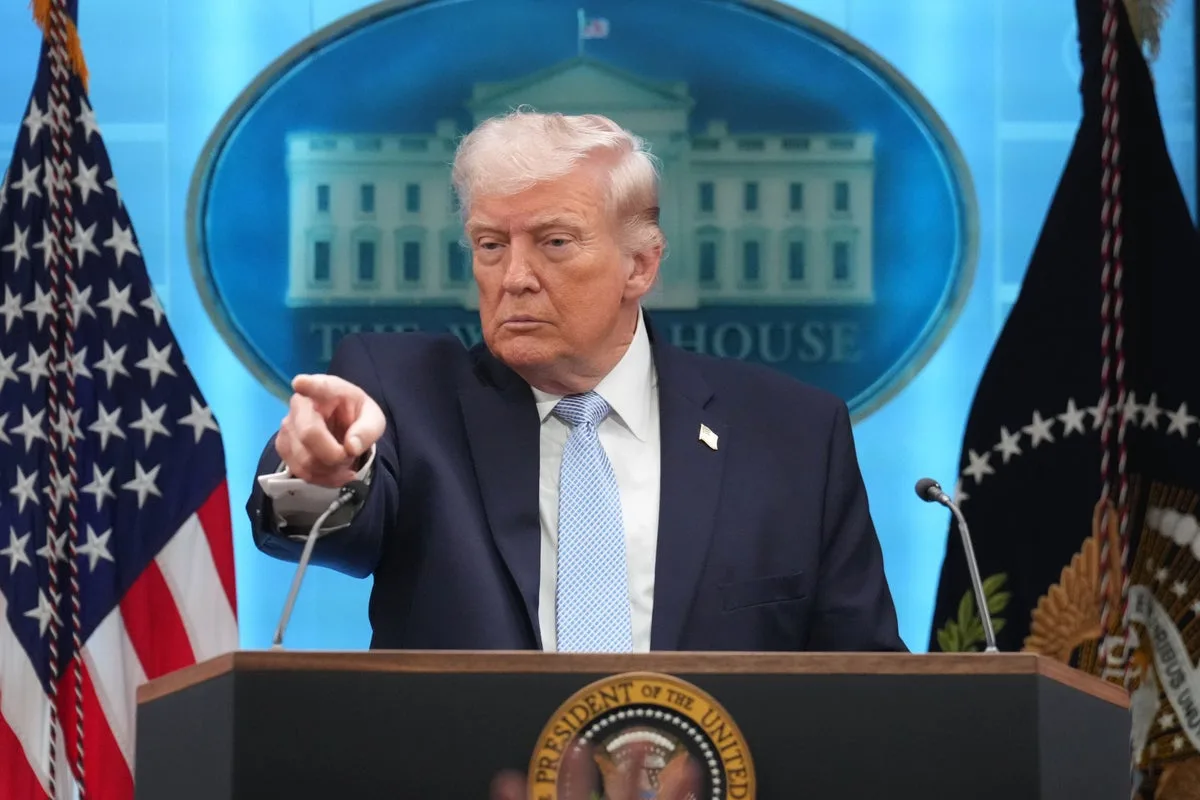
At a press conference on Monday, Mr Trump reiterated his threat to attack Iran’s civilian infrastructure, including power plants and bridges, dismissing the suggestion that such actions would constitute a war crime. The UK Government has pledged to stay out of any offensive action against Iran.
Ahead of Tuesday’s deadline, Britain’s Permanent Joint Headquarters at Northwood, outside London, will host a meeting of military planners to discuss long-term measures to secure the Strait of Hormuz. The strait, a vital shipping route for oil and gas, has been effectively blockaded by Tehran since the outbreak of war, causing major disruption to oil supplies and threatening fuel shortages across the world.
Tuesday’s meeting is expected to focus on plans for an international coalition to make the strait safe for shipping once hostilities have ended. It follows a meeting of more than 40 nations, chaired by Foreign Secretary Yvette Cooper, that discussed collective action to increase pressure on Tehran to reopen Hormuz. But no deployment is likely to take place until Iran, America and Israel have agreed a ceasefire, with the risk that vessels would be hit by Iranian drones or missiles currently deemed too high even by the US Navy.
Meanwhile, Mr Trump continued to pour scorn on Nato and the UK over their refusal to support offensive operations against Iran or agree to his attempt to annex Greenland from Denmark. Describing the alliance as a “paper tiger” during Monday’s press conference, the president added: “It all began with, if you want to know the truth, Greenland. We want Greenland. They don’t want to give it to us. And I said, ‘bye bye’.” Earlier, Mr Trump had renewed his personal criticism of Sir Keir Starmer, appearing to compare the Prime Minister to Neville Chamberlain.




