The United Arab Emirates faced a missile and drone attack early this morning, escalating tensions and further straining the fragile ceasefire between the United States and Iran. The UAE's defence ministry reported no immediate damage from the Iranian strikes but advised citizens to avoid approaching, photographing, or touching any debris or fragments resulting from successful air interceptions.
UAE Air Defenses Respond
In a statement posted on X, the ministry confirmed: 'The UAE's air defences are currently dealing with missile and drone attacks originating from Iran, and the Ministry of Defense confirms that the sounds heard in various parts of the country are the result of the UAE air defence systems intercepting ballistic missiles, cruise missiles, and drones.'
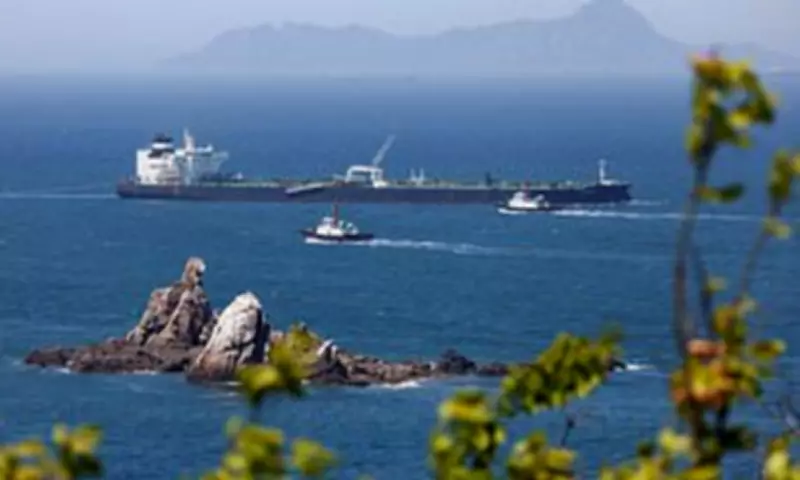
Iran has frequently targeted the UAE and other Gulf nations hosting US military bases since the onset of the war on February 28. This latest assault comes as oil prices surged by 4.1 per cent to approximately $100 per barrel, up from $96 on Thursday. Despite this uptick, Brent crude has declined by around 7 per cent from $108 a week ago, driven by hopes that the US and Iran are nearing a deal to end the conflict and restore shipping through the strategically vital Strait of Hormuz, which Iran has largely closed to pressure the global economy.

Ceasefire Status Uncertain
The proximity of a comprehensive agreement remains unclear, particularly regarding Iran's nuclear programme—a key issue that prompted the US and Israel to launch the war on February 28. US President Donald Trump downplayed Thursday's exchange of fire between Tehran and the US Navy, following an Iranian attack on three Navy ships in the Strait of Hormuz that was intercepted by US forces.
US Central Command stated on social media that American forces intercepted 'unprovoked Iranian attacks' and responded with self-defence strikes, confirming no ships were hit. The command emphasised it does not seek escalation but 'remains positioned and ready to protect American forces.'
In a phone call with ABC News, Trump characterised the retaliatory strikes against Iran as 'just a love tap.' He insisted the ceasefire is holding and a deal could come 'any day,' while reiterating threats of bombing if Tehran fails to accept terms allowing the resumption of oil and natural gas shipments disrupted by the conflict. 'They have to understand: If it doesn't get signed, they're going to have a lot of pain,' he told reporters in Washington.
Regional Reactions
Iranian state media reported that the country's forces exchanged fire with 'the enemy' on Qeshm Island in the Strait of Hormuz, with loud noises and continuous defensive fire heard in western Tehran late Thursday night. The ceasefire between the US and Iran has largely held since April 8, but in-person talks hosted by Pakistan last month failed to produce an agreement.
Pakistani Foreign Minister Ishaq Dar spoke by phone with his Iranian counterpart, Abbas Araghchi, on Thursday. 'We expect an agreement sooner rather than later,' said Pakistani Foreign Ministry spokesperson Tahir Andrabi, adding, 'We hope the parties will reach a peaceful and sustainable solution that will contribute not only to peace in our region but to international peace as well.' He declined to provide a timeline.
Pakistani Prime Minister Shehbaz Sharif stated in televised remarks that Islamabad remains in 'continuous contact with Iran and the United States, day and night, to stop the war and extend the ceasefire.'