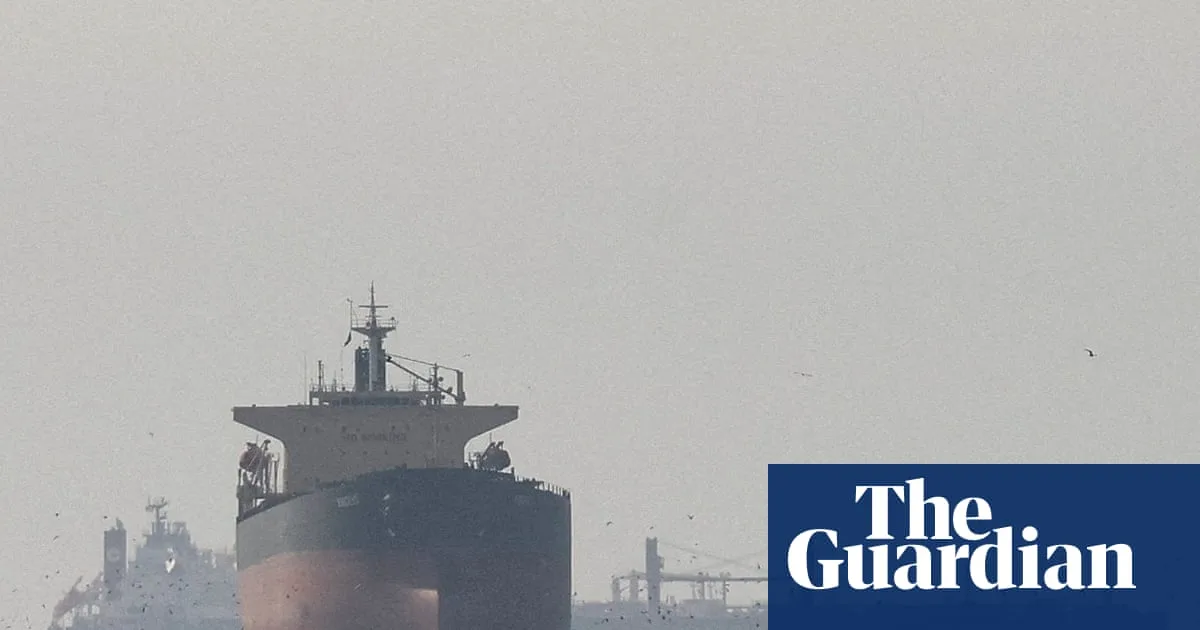
US President Donald Trump has intensified pressure on European allies to assist in protecting the Strait of Hormuz, warning that failure to do so would be 'very bad' for the future of Nato. In an interview with the Financial Times, Trump stated that it is 'only appropriate' for countries benefiting from the strait to help secure it, following the de facto closure by Tehran in retaliation for US and Israeli airstrikes.
The disruption has caused the largest oil supply crisis in history, with soaring global prices. Trump called on allies to send warships to protect commercial vessels, but responses have been muted. Australia, France, Japan, and the UK have indicated no plans to deploy ships, while EU foreign ministers are set to discuss bolstering a small naval mission in the Middle East without extending its role to the strait.
Trump also ramped up pressure on China, an Iran ally, to help secure the waterway, warning he 'may delay' a summit with President Xi Jinping. He noted that China receives 90% of its oil via the strait and expects action before his planned visit to Beijing. Japan, which imports 70% of its oil through the strait, has begun releasing reserves but ruled out sending naval vessels, citing political sensitivities.
The UK is considering dispatching aerial minesweepers to clear mines, while France emphasised regional stability over escalation. South Korea said it would review the request carefully. Trump's appeals have yet to yield commitments, with several allies pushing back on military involvement.