
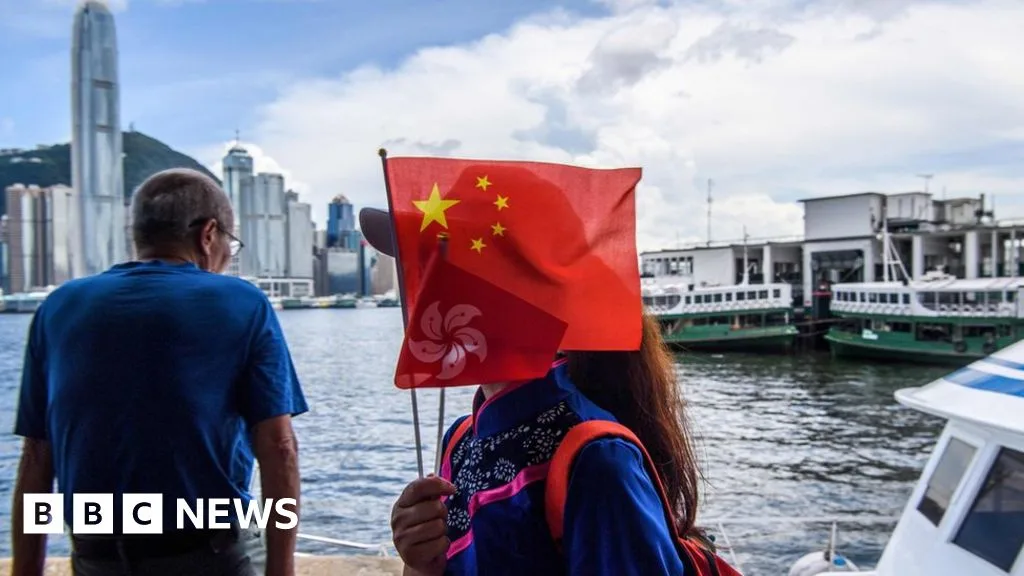
China has threatened to impose sanctions on US individuals and entities after President Donald Trump ended Hong Kong's preferential trade status and sanctioned Chinese officials over the territory's new security law. The move, announced on Tuesday, revokes Hong Kong's special economic treatment, restricts sensitive technology exports, and penalises banks dealing with officials involved in implementing the law.
Beijing condemned the decision as 'gross interference' in its domestic affairs. A foreign ministry statement said the US would 'never succeed' in obstructing the national security law and warned that China would take retaliatory measures to 'safeguard its legitimate interests'. The statement urged Washington to 'correct its mistakes' and stop interfering.
Mr Trump's executive order ends the special status granted to Hong Kong in 1984, when it was a British colony. Goods from Hong Kong will now be treated like those from mainland China, potentially facing additional tariffs. The president also signed the Hong Kong Autonomy Act, passed unanimously by Congress, which targets banks doing business with Chinese officials involved in the security crackdown.
The security law, imposed by Beijing in June, effectively outlaws criticism of the Chinese government and is the most significant political change since the 1997 handover. Mr Trump accused China of taking away Hong Kong's freedom and said the US would 'hold China accountable for its aggressive actions'. He also criticised China's handling of the coronavirus pandemic, its military build-up in the South China Sea, and its treatment of Muslim minorities.
Analysts say the loss of special status will hit Hong Kong's re-export hub role, as goods from China previously routed through Hong Kong to avoid US tariffs will now be subject to duties. However, low tax rates, geographic location, and currency convertibility may still attract businesses. The long-term impact on American and multinational companies using Hong Kong as a regional hub remains uncertain.




