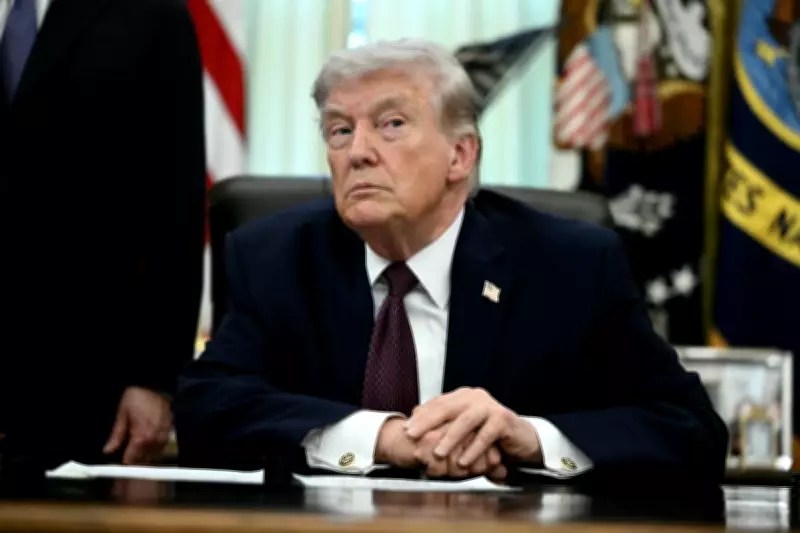
In a dramatic escalation of tensions, former US President Donald Trump has declared that a deal with Iran is possible by Monday, but warned of severe consequences if negotiations fail. Speaking in an interview with Fox News on Sunday, Trump stated that Tehran is currently engaged in talks, but he issued a blunt ultimatum to the Iranian government.
Trump's Stark Warning to Iran
Trump threatened to "blow everything up and take over the oil" if a swift agreement is not reached with Iran. He elaborated that under such circumstances, "bridges and power plants" across Iran would be destroyed, highlighting the potential for widespread infrastructure damage. This aggressive stance underscores the high stakes in the ongoing diplomatic efforts between the two nations.
Claims of US Involvement in Iranian Protests
In the same interview, Trump claimed that the United States attempted to supply arms to Iranian protesters in January. He suggested that Kurdish forces, who were intended to facilitate the arms delivery, may have kept the weapons for themselves. This revelation adds a new layer of complexity to the already fraught relationship, raising questions about covert operations and regional alliances.

Context of the Negotiations
The threat comes amid reports that Trump is pushing for a rapid resolution to longstanding disputes with Iran, including issues related to nuclear capabilities and regional influence. His comments reflect a hardline approach that has characterised much of his foreign policy, emphasising economic pressure and military posturing over diplomatic nuance.
Analysts note that such rhetoric could further destabilise the Middle East, potentially impacting global oil markets and international security. The mention of seizing Iran's oil reserves points to economic motivations behind the threats, as control over energy resources remains a key strategic interest for the US.
Reactions and Implications
While Trump's statements have not been officially confirmed by current US administration officials, they have sparked concern among international observers. The threat to destroy critical infrastructure like bridges and power plants raises humanitarian and legal issues, potentially violating international norms on warfare and sovereignty.
As the Monday deadline approaches, the world watches closely to see if Iran will accede to Trump's demands or face the promised retaliation. The outcome could have far-reaching effects on geopolitics, energy supplies, and regional stability in the coming weeks.