Oil prices surged on Monday after Donald Trump rejected Iran's response to his proposals for ending the war as 'totally unacceptable', despite Iran's focus on de-escalation and shipping safety. Tehran issued a stern warning to the UK and France, stating that any warships in the Strait of Hormuz would be met with a 'decisive response' amid rising tensions.
Trump's Stance and Iranian Warning
Trump's rejection of Iran's response comes as the US president maintains that a ceasefire is still possible, despite accusing Iran of having 'trifled with us'. The Iranian government has emphasised its commitment to de-escalation and the safety of shipping in the region, but warned against any foreign military presence in the Strait of Hormuz.
Regional Developments
Israeli prime minister Benjamin Netanyahu indicated that 'work needs to be done' in Iran, while Israeli attacks in Lebanon killed at least 51 people despite an ongoing ceasefire. The dual front highlights the broader regional instability.

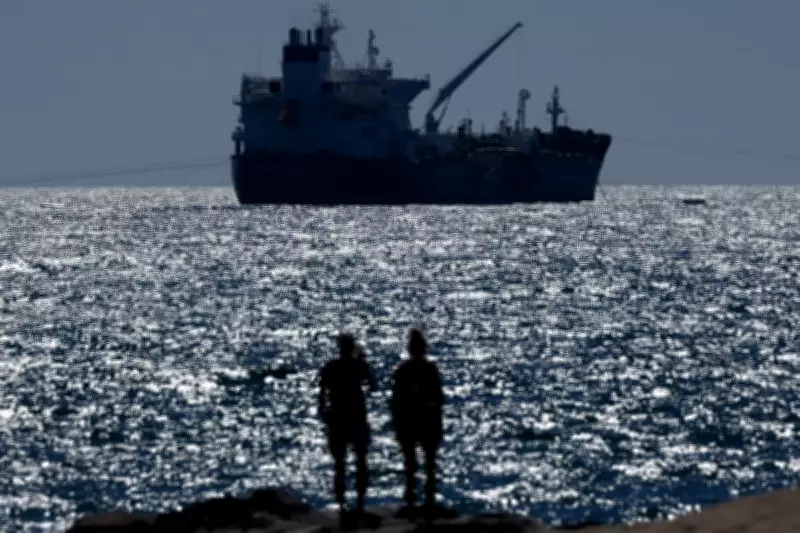
- A South Korean bulk carrier was struck by unidentified objects in the Strait of Hormuz, causing a fire. Trump attributed the incident to an Iranian attack, which Iran denies.
- Trump is expected to press Chinese President Xi Jinping on Beijing's alleged support for Tehran, including dual-use technology and potential weapons assistance, during upcoming summit talks.
The situation remains fluid, with oil markets reacting sharply to the heightened geopolitical risks. The Strait of Hormuz, a critical chokepoint for global oil shipments, remains a flashpoint.