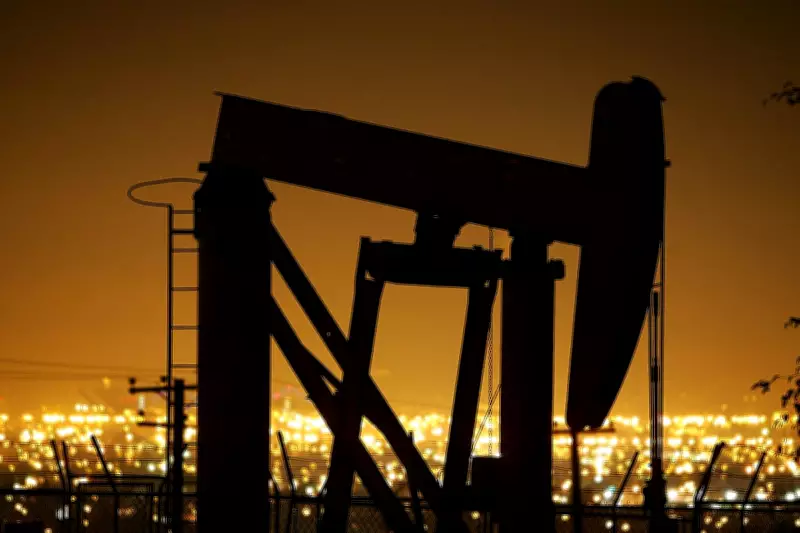
The oil price jumped 4 per cent after Donald Trump branded a mooted Iran peace plan "totally unacceptable". It came as Saudi Aramco warned the disruption to the oil market could continue well into next year, raising the prospect of fuel shortages.
Saudi Aramco Reports Record Profits
The world's largest oil company reported profit for the first quarter alone of $33.6bn (£25bn), an increase of 25 per cent on a year ago. Amin Nasser, the CEO of Saudi Aramco, estimates the world has lost one billion barrels of oil since the Iran war started in late February.
"If trade flows resume immediately or today through the Strait of Hormuz, it will take a few months for the oil market to rebalance," Mr Nasser said on Sunday. "But if trade and shipping remain curtailed by more than a few weeks from today, we anticipate the supply disruption to persist, and the market to normalise only in 2027."

Market Reaction
Brent crude rose $4 to $105 a barrel this morning. It was at around $60 at the start of the year. Mohit Kumar, economist at Jefferies, said: "Both Trump and Iran rejected each other's proposals to end the war. Iran refused to dismantle its nuclear program, which has been the key demand from Trump. The Strait of Hormuz remains practically closed. Trump does want a deal, but he needs to show to his supporters that US managed to secure a deal on nuclear, which was the whole point of going into the war."
That stand-off seemed to end hopes that the strait would be reopened before Trump's state visit to China this week. Few details of Tehran's response to the US proposed end to the war were given, but the US reply was abrupt.
Posting on his Truth Social platform, Mr Trump said: "I have just read the response from Iran's so-called 'Representatives.' I don't like it — TOTALLY UNACCEPTABLE!"
Impact on UK Economy
On Monday, economic forecaster the Item Club predicted the UK economy would lose 163,000 jobs this year. Lower income regions such as the Humber and South Wales will be hardest hit since they rely on manufacturing and construction which face higher energy costs.
Tim Lyne, economic adviser to the Item Club, said: "Some of the lowest income regions will feel the biggest effects of the manufacturing and construction sectors reducing headcount in the face of rising energy prices and supply chain disruption. While consumers in these areas typically have less rainy-day savings, which will reduce spending in the retail and hospitality sectors."