Trump Issues Firm Ban on Israeli Bombing of Lebanon as Ceasefire Takes Hold
In a decisive move, former President Donald Trump has declared that the United States has prohibited Israel from conducting further bombing raids in Lebanon, stating emphatically, "Enough is enough." This announcement comes as a delicate, US-brokered 10-day ceasefire between Israel and the Hezbollah militant group appears to be largely holding, despite isolated reports of violations.
Ceasefire Holds Amidst Ongoing Tensions and Humanitarian Crisis
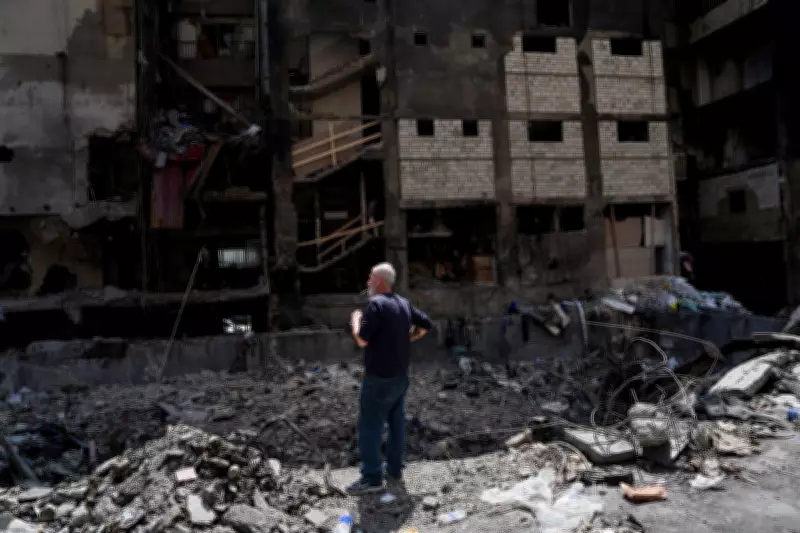
The ceasefire, agreed upon on Thursday, aims to halt hostilities that have ravaged Lebanon since early March. According to Lebanon's health ministry, Israeli attacks have resulted in at least 2,294 fatalities and 7,544 injuries, while displacing over a million people. The conflict has left many towns and neighbourhoods devastated, with residents like Ali Hamza returning to find homes destroyed or uninhabitable. Hamza, from the Hezbollah-controlled southern suburbs of Beirut, noted the challenges of returning, citing impossible living conditions and lingering fears among the population.
Trump, in an unusually firm statement posted on social media, asserted, "They are PROHIBITED from doing so by the U.S.A. Enough is enough!!!" He added that Washington would collaborate with Lebanon to address the Hezbollah situation to ensure lasting peace, insisting that Israel "will not be bombing Lebanon any longer."

Hezbollah's Response and Regional Implications
Hezbollah lawmakers expressed a "cautious commitment" to the ceasefire on Friday, while criticising the Lebanese government for engaging in direct negotiations with Israel. The Iran-backed group, which operates independently of the state, maintains its "right to resist." In a positive development for global trade, Iran announced the reopening of the Strait of Hormuz for all commercial vessels for the duration of the ceasefire, potentially easing economic disruptions.
However, serious questions linger about the long-term viability of the agreement. Notably, it does not require Israel to withdraw troops from occupied parts of southern Lebanon, where Defence Minister Israel Katz stated that military activity might resume post-ceasefire to clear Hezbollah militants and arms from territory south of the Litani River. Katz emphasised that this clearance would need to occur politically or through continued IDF operations after the truce ends.
Violations and Future Prospects
On the first full day of the ceasefire, paramedics in southern Lebanon reported an Israeli drone strike that killed one person, highlighting ongoing tensions. There was no immediate comment from the Israeli military on these alleged violations. Trump, meanwhile, framed the deal optimistically, posting, "This deal is not tied, in any way, to Lebanon, but we will, MAKE LEBANON GREAT AGAIN!"
As displaced individuals begin returning to their homes, the path forward remains uncertain. The agreement's success hinges on sustained diplomatic efforts and the willingness of all parties to adhere to the ceasefire terms, with the humanitarian toll underscoring the urgent need for a durable resolution to the conflict.