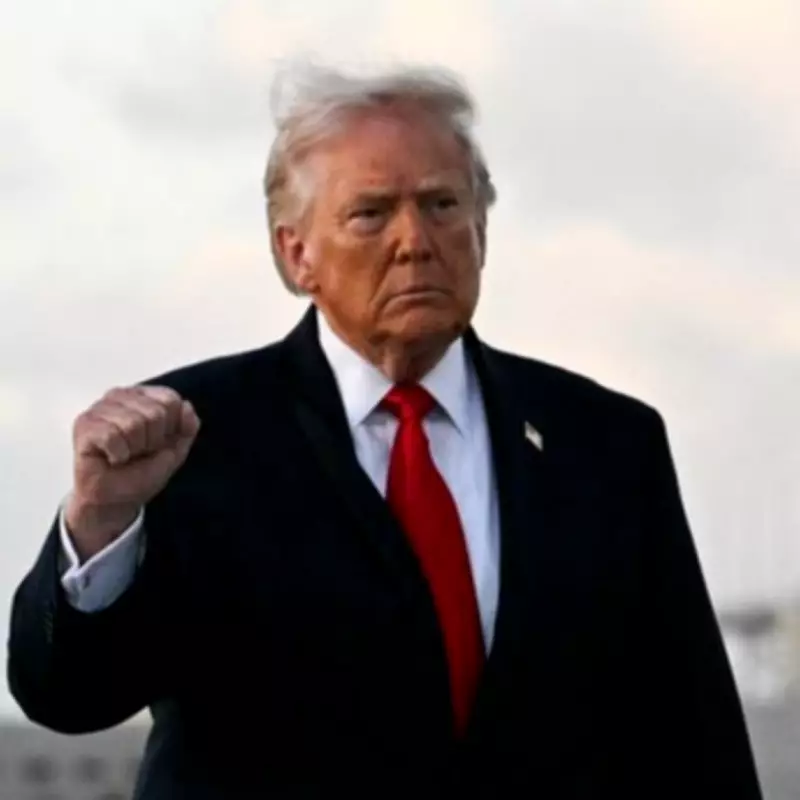
In a shocking and unprecedented announcement, former President Donald Trump has declared that the United States will impose a naval blockade on the Strait of Hormuz, a critical global shipping channel. This move comes after recent peace talks between the US and Iran failed to yield a resolution, heightening geopolitical tensions in the region.
Escalation Following Failed Diplomacy
The announcement follows unsuccessful negotiations aimed at de-escalating conflicts, which took place in Pakistan over the weekend. Trump, in a bold statement, asserted that the US will take unilateral action by deploying the US Navy to block all maritime traffic through the strait. He specifically stated that the military will "begin the process of blockading any and all ships trying to enter, or leave, the Strait of Hormuz," signaling a significant escalation in US foreign policy.
Implications for Global Trade and Security
The Strait of Hormuz is a vital waterway for international oil shipments, with approximately one-fifth of the world's petroleum passing through it. A blockade could disrupt global energy markets, potentially leading to increased oil prices and economic instability. This decision marks a stark departure from previous diplomatic efforts and raises concerns about potential military confrontations in the already volatile Middle East.

Experts warn that such a blockade could provoke retaliatory measures from Iran and other nations, further complicating international relations. The announcement has drawn immediate reactions from global leaders, with many calling for restraint and a return to dialogue to avoid a broader conflict.
This development underscores the ongoing challenges in US-Iran relations and highlights the unpredictable nature of current geopolitical dynamics. As the situation unfolds, the international community watches closely, anticipating the potential consequences of this aggressive stance on global peace and security.