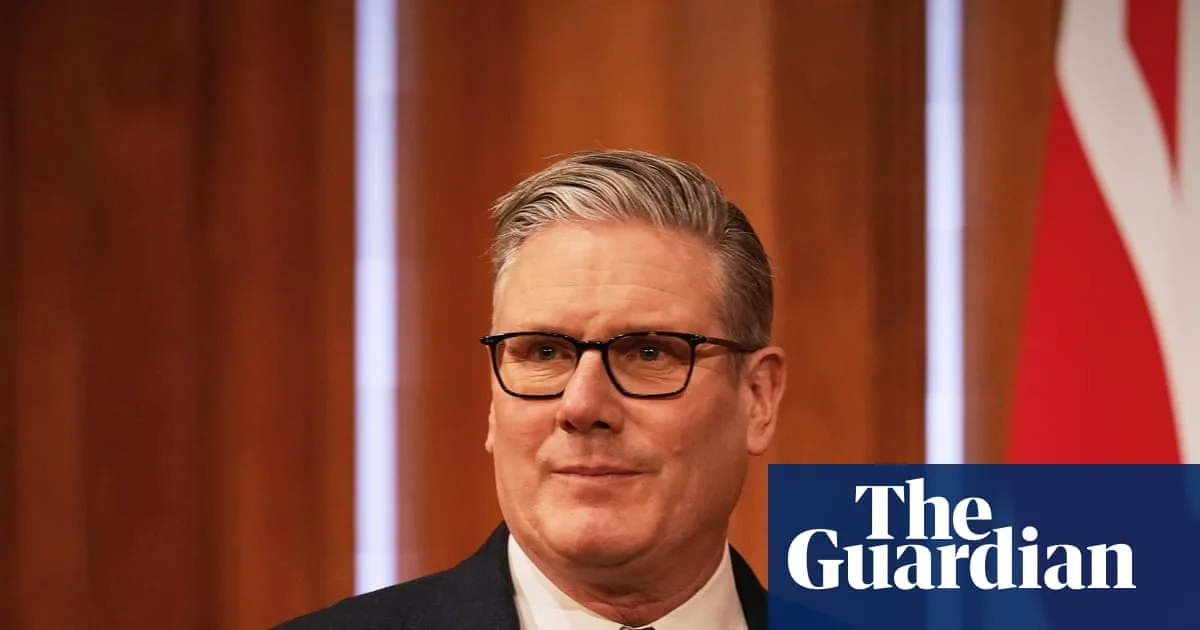
Prime Minister Keir Starmer has arrived in Saudi Arabia to meet Gulf leaders following the agreement of a two-week ceasefire between the United States and Iran. The ceasefire, announced on Tuesday evening, cancelled a self-imposed deadline by US President Donald Trump for Iran to surrender or face widespread destruction.
Starmer welcomed the deal, saying: 'I welcome the ceasefire agreement reached overnight, which will bring a moment of relief to the region and the world. Together with our partners we must do all we can to support and sustain this ceasefire, turn it into a lasting agreement and reopen the strait of Hormuz.' Downing Street said the prime minister would discuss diplomatic efforts to uphold the ceasefire and bring a 'lasting resolution' to the conflict.
The visit, planned before the ceasefire was announced, comes as Starmer faces pressure to limit US access to British airbases. Trump had warned that a 'whole civilisation will die' if Tehran did not comply with his demands to allow commercial shipping through the strait of Hormuz. A joint statement from world leaders, including the UK, called for freedom of navigation in the strait and urged all sides to implement the ceasefire, including in Lebanon, which was hit by Israeli airstrikes on Wednesday.

Signatories to the statement included France, Italy, Germany, Canada, Denmark, the Netherlands, Spain, and the presidents of the European Commission and European Council. Starmer is also expected to thank UK and allied armed forces in the region. Foreign Secretary Yvette Cooper spoke with US Secretary of State Marco Rubio after Trump's remarks, urging a swift end to the conflict and backing negotiations.
Despite the ceasefire, attacks continued in Kuwait, the United Arab Emirates, Qatar, and Israel. Oil prices plunged while stocks soared after the announcement. Israeli Prime Minister Benjamin Netanyahu said the ceasefire did not include fighting against Hezbollah in Lebanon, while Pakistan’s Prime Minister Shebaz Sharif claimed it extended to Lebanon. Pakistan led a last-minute diplomatic intervention on Tuesday.